Latest Blogs

Check out our latest news about water pumps

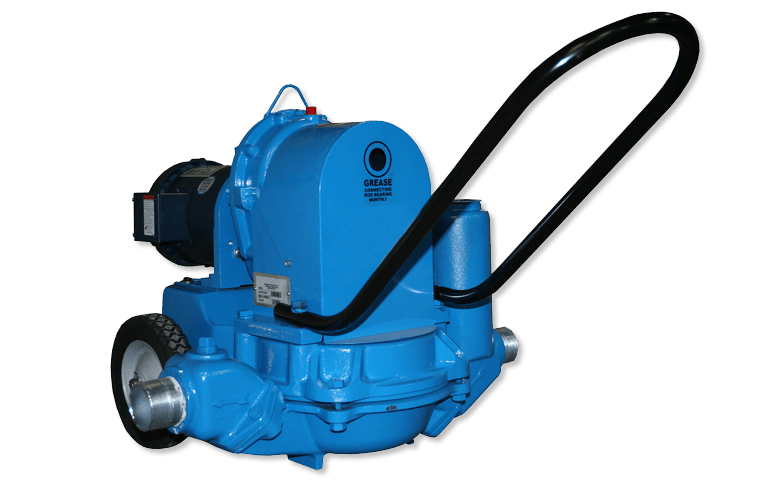
When a Mud Hog Diaphragm Pump Starts Losing Its Bite, One Part Usually Takes the Blame.

When a Mud Hog Diaphragm Pump Starts Losing Its Bite, One Part Usually Takes the Blame.

On a muddy jobsite, nobody has time for a pump that “kind of” works. The water isn’t clean, the pit isn’t shallow, and the crew isn’t waiting around because a machine decided to get picky. That’s why diaphragm pumps, especially Mud Hog-style models, keep showing up in the same places: construction sites, industrial cleanup, slurry work, and anywhere water is mixed with whatever the day throws into it. But even these pumps have a predictable breaking point. It isn’t mysterious, and it isn’t rare. The diaphragm, the flexible part inside the pump that creates the pumping action, wears out. Not because the pump is poorly built, but because that diaphragm is constantly moving, constantly flexing, and constantly getting punished by grit, silt, sand, and heavy cycling. In tough conditions, replacing a diaphragm isn’t a surprise repair. It’s normal maintenance. Most customers don’t go shopping for a replacement diaphragm casually. They go

Read More >
Ken’s Distributing Company: AI Data Center Water Pump Solutions

Ken’s Distributing Company: AI Data Center Water Pump Solutions

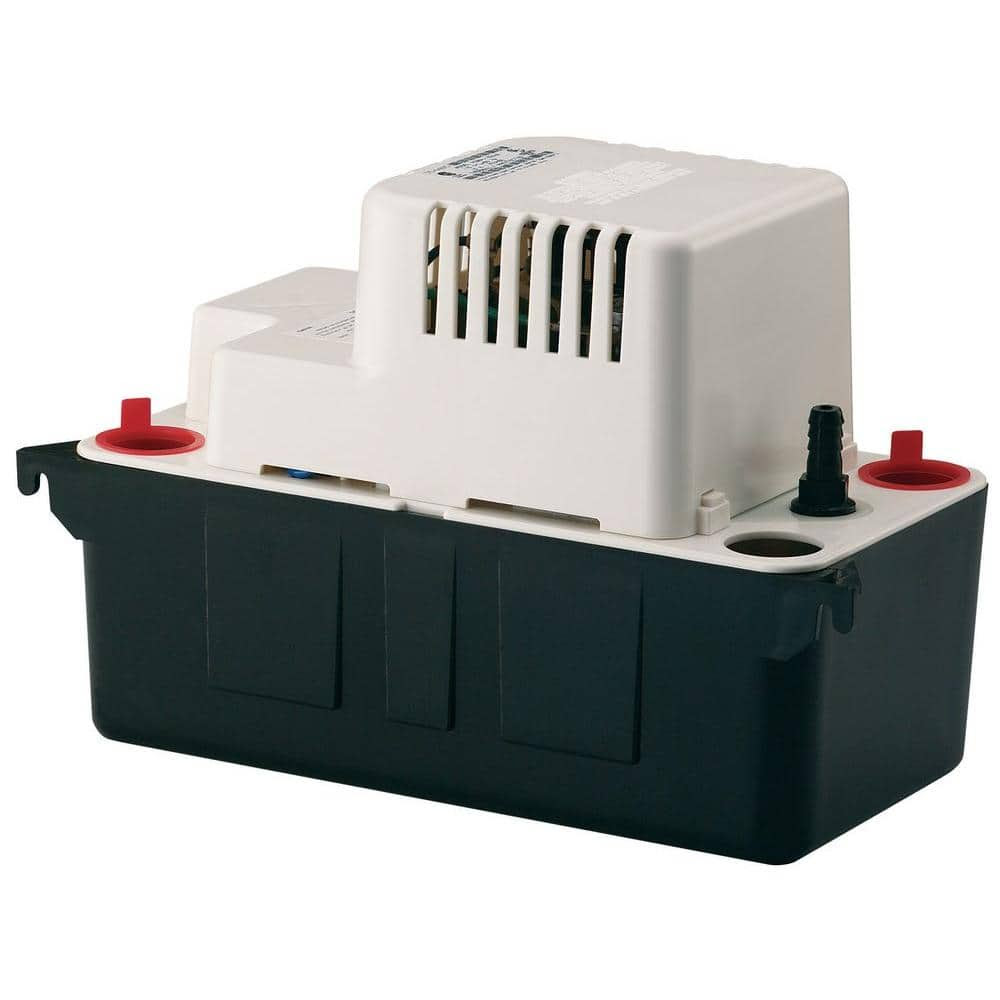
Artificial intelligence infrastructure is driving a new generation of cooling requirements. High-density GPU clusters generate extreme thermal loads, requiring advanced liquid cooling systems, hydronic circulation, and precise condensate management. Ken’s Distributing Company supplies industrial-grade pump systems designed to support AI data center environments, including solutions from Franklin Electric and its Little Giant line. Our focus is simple: reliable water movement for mission-critical AI operations. AI Infrastructure Requires Advanced Water Movement AI data centers depend on: Chilled water circulation CRAC and HVAC condensate removal Hydronic pressure stability Cooling tower water transfer Redundant facility water systems Without stable flow rate (GPM) and proper total dynamic head (TDH), cooling performance declines and server uptime is at risk. Ken’s Distributing Company supplies pumps engineered for continuous duty, industrial environments, and large-scale mechanical systems. Little Giant VCMA-20ULS & VCL-45ULS for AI Condensate Management Within AI data centers, condensate removal is not optional. Moisture accumulation near electrical infrastructure creates risk

Read More >
Wacker Neuson Pump

Wacker Neuson Pump Maintenance Checklist to Extend Pump Lifespan

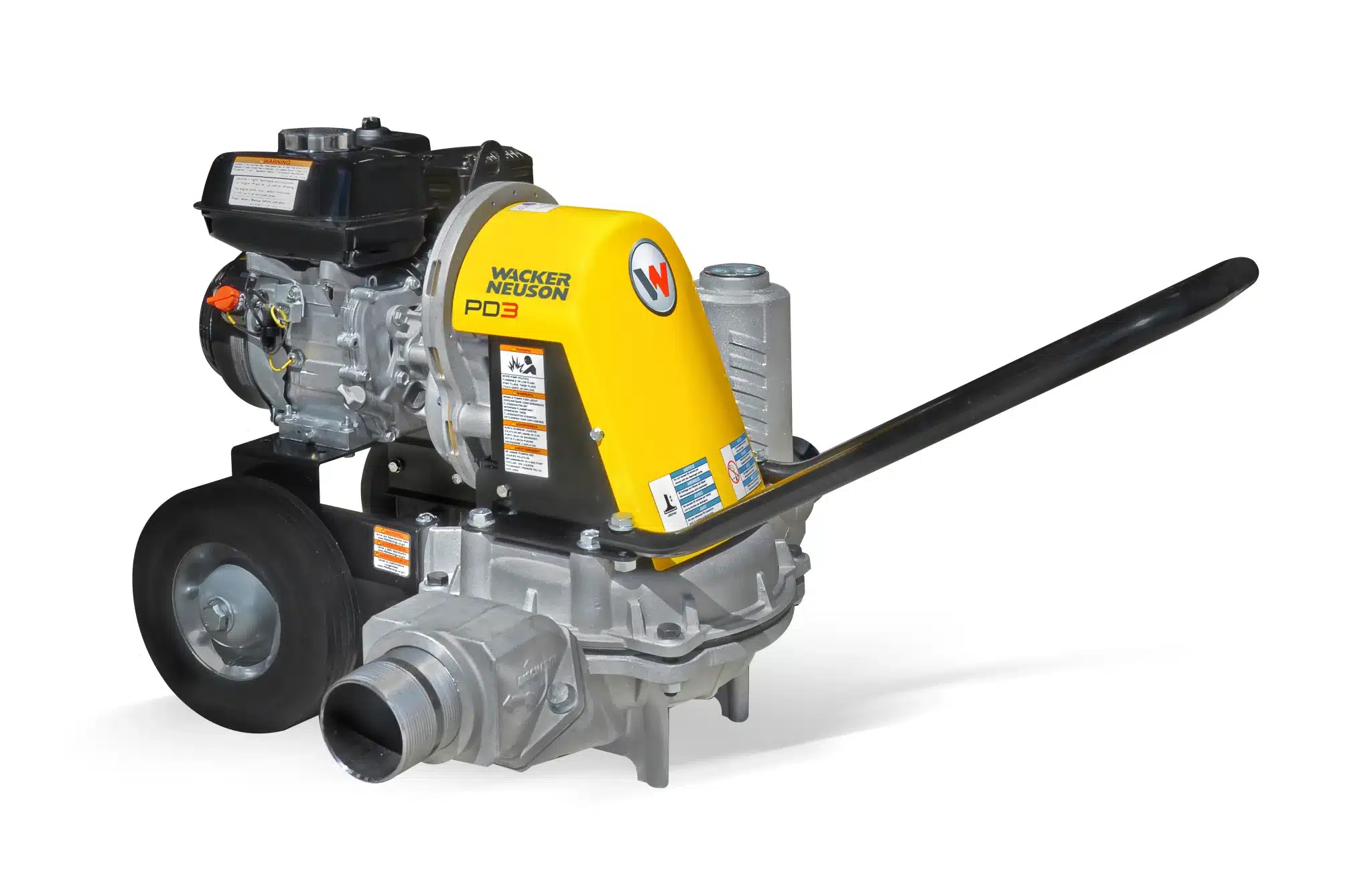
A Wacker Neuson pump is commonly selected when a job site demands reliable water removal in tough conditions. Standing water slows progress, increases safety risks, and can delay an entire job. That is why trash pumps remain essential for construction crews and site managers. Trash pumps are designed to move water mixed with debris and solids without frequent clogging. Unlike clean water pumps, these units are built for harsh environments and repeated relocation across a job site. Their heavy-duty construction allows them to handle demanding workloads day after day. This page explains how a centrifugal trash pump works, what features affect performance, how prices vary, and what customers should review before they add an item to their cart. What Makes Trash Pumps Different Trash pumps are engineered for handling solids and dirty water. A Wacker Neuson pump uses an open impeller design that allows debris to pass through without damaging

Read More >

Step-by-Step Guide to Replacing a Diaphragm for Wacker Pumps Without Downtime

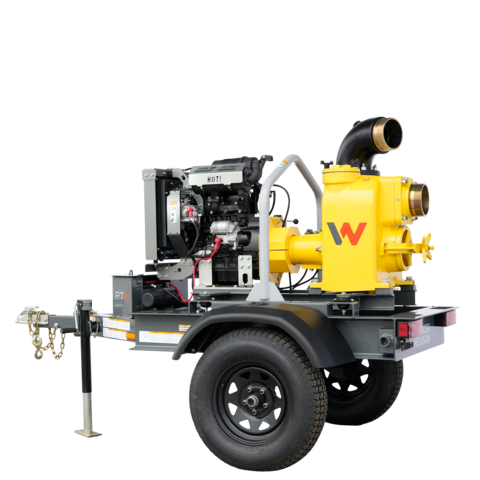
A diaphragm for wacker pumps is one of the most stressed internal components in jobsite pumping systems. When that diaphragm begins to wear, Wacker Neuson and Neuson pumps often show reduced output, unstable pressure, or sudden shutdowns that delay work. Understanding how a pump diaphragm functions, how it fits within Wacker and Neuson pump designs, and how to replace it correctly helps protect equipment and avoid unnecessary downtime. In most diaphragm pump systems, failure does not happen instantly. Small changes in flow or vibration usually appear first, giving operators time to act before pumps stop completely. Learning how the diaphragm works, what causes wear, and how proper installation affects fit and performance can save time, money, and repeated repairs. For technical references, compatibility checks, and visual confirmation of parts, you can review this resource for a diaphragm for Wacker pumps. which helps verify oem specifications, correct item selection, and proper

Read More >
diaphragm pump parts

Diaphragm Pump Parts Explained: A Visual Walkthrough for Maintenance Teams

Diaphragm pump parts are the reason diaphragm pumps stay reliable across so many demanding operations. When a pump loses pressure, creates noise, or stops moving fluid, the cause almost always traces back to individual pump parts rather than the entire unit. Understanding how these components work together helps teams improve performance, reduce repair time, and extend service life. Diaphragm pumps rely on a controlled pumping action created by flexible diaphragms, internal chambers, and carefully timed air and mechanical components. Each part plays a defined role in moving liquid in one direction while separating the fluid from the energy source. When even one component wears or shifts out of tolerance, efficiency drops, and repair becomes unavoidable. This technical guide provides a clear, visual-style explanation of diaphragm pump parts without requiring diagrams. It explains what each component does, how failures occur, and how maintenance teams can identify problems early. By the end,

Read More >

WANT SOMETHING? REQUEST A QUOTE NOW!

Quote section
Quote section