


Ken’s Distributing Company specializes in efficient water pump distribution and repair parts.
As a master stocking distributor, we ensure quick access to a wide range of pump models and repair components, minimizing downtime for our clients.
We are proud to be the main distributor for CH&E, magnum diaphragm repair parts and offering reliable solutions for various industries.
With Ken’s Distributing, you can trust in our expertise to keep your operations running smoothly and efficiently.
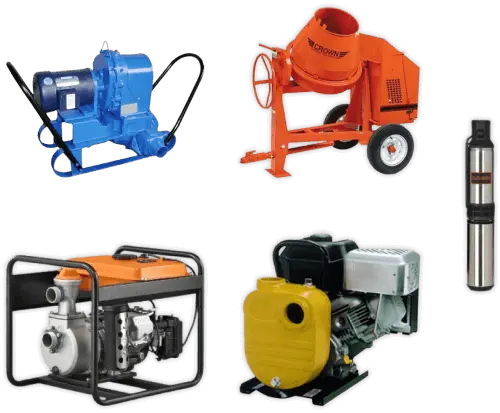


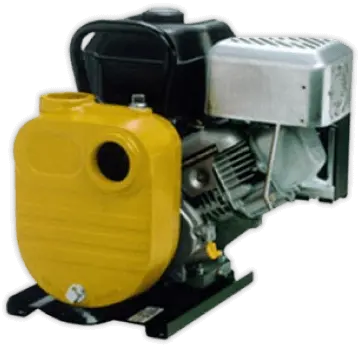
Kens Distributing Company is a Master Stocking Distributor for Monarch water pump, Franklin Electric water pump, Red Lion Products also CH&E Generac Magnum Diaphragm pump. Ken’s Distributing Company specializes in water pump and replacement parts for clean water, sump & effluent, lawn & sprinkler, irrigation water pumps, electric motor driven, engine driven, gas engine driven, frame mount water pump, industrial & irrigation water pumps, centrifugal water pumps also submersible water pumps and Diaphragm pumps.
Ken’s Distributing Company offers all the major brands for commercial and Residential water pumps and repair parts. We offer worldwide shipping on all of our products with expert advice on water pumps and repair parts/replacement parts.
Ken’s Distributing Company stocks pump diaphragms for all major pump manufacturers. Do You Have any question? Feel free to contact us at the number below.
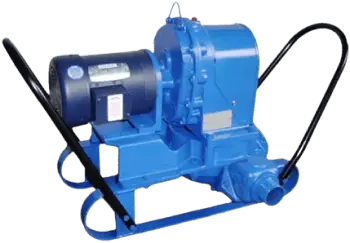

Ken’s Distributing Company offers Cement Mixers and repair parts.
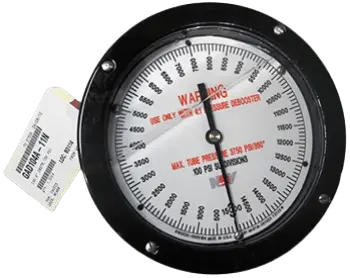
Ken’s Distributing Company sells Martin Decker, MD Totco High Pressure Gauges. Martin Decker MD Totco High Pressure Gauges
A water pump is a mechanical tool that is utilized to transport, shift, or pressurize water from one place to another. Here are the primary roles and purposes of water pumps;
Water Transport- The main function of water pumps is to transfer water from a source, such as a well, river or reservoir, to storage tanks or directly to points of use like faucets in households.
Pressure Management – Pumps can boost the pressure of water in systems to ensure sufficient flow to fixtures and appliances, especially in areas where gravity alone may not provide enough pressure.
Irrigation – In farming, water pumps play a vital role in watering crops efficiently by enabling farmers to spread water across fields effectively.
Drainage – Pumps are employed to eliminate excess water from construction sites, basements, and flooded areas to prevent damage and ensure safety.
Circulation – In systems like heating and cooling, pumps circulate water or coolant through pipes for temperature regulation and enhanced efficiency.
Specialized Uses – Water pumps are also applied in various specialized situations such as draining swimming pools, managing stormwater runoff and supporting recreational activities like gold mining.
Centrifugal Pumps; These pumps use a rotating impeller for moving water and are commonly found in residential and industrial settings. Submersible pumps are crafted for immersion in water, making them perfect for deep wells and situations requiring water to be raised from considerable depths. Positive displacement pumps operate by capturing a set amount of water and pushing it through the discharge pipe, commonly employed in high-pressure scenarios. In conclusion, water pumps play a crucial role in numerous industries, serving essential purposes in both residential and commercial settings. They guarantee access to clean water, aid agricultural activities, and facilitate water management in diverse surroundings.
To figure out if a water pump has gone bad, whether it’s for home or business use, you can watch out for a few key signs and symptoms. Here are some common things to look for;
Description- When you notice a significant decrease in water pressure at sinks, showers, or irrigation systems, it could mean the pump is not working well.
Cause – This might be because of a malfunctioning pump, leaks in the system, or blockages in the pump or pipes.
Description – If water spits or spatters from faucets, it indicates that air is getting into the system.
Cause – This can happen due to a pressure tank leak or problems with the pump itself.
Description – When the pump keeps running without stopping, it could suggest that it’s having trouble maintaining water levels.
Cause – This could be due to a failing pressure tank or difficulty in drawing water effectively from its source.
Description – Odd noises like clicking, whining, or grinding coming from the pump can indicate issues.
Cause – These sounds may point to problems like air leaks, worn-out bearings, or other mechanical faults. If you see sand, dirt, or a change in color in your water, it might mean the pump isn’t doing its job properly. This could harm the pump and impact water quality.
A sudden spike in your electric bill could signal that the pump is under more strain than usual. This may be due to inefficiencies caused by pump problems, resulting in higher operating costs. Leaking coolant or overheating in cooling system pumps are red flags for potential failure. These signs typically point to mechanical issues within the pump. In case you notice any of these signs, it’s best to seek help from a professional for an accurate diagnosis. Acting promptly can prevent further damage and ensure your water pump system runs smoothly.
There are two primary types of water pumps commonly utilized in both residential and commercial settings
How They Work – Centrifugal pumps operate by utilizing a rotating impeller to generate centrifugal force, which pushes water outward from the pump’s center. This process enhances water pressure and flow rate, making these pumps efficient for handling large water volumes.
Common Uses – They are frequently employed for various purposes such as delivering water to buildings and apartments, watering lawns and gardens, and circulating water in swimming pool filtration systems.
Varieties – Centrifugal pumps come in single-stage, two-stage or multistage variants based on the number of impellers and desired pressure levels.
How They Operate – Positive displacement pumps transport water by capturing a fixed quantity of fluid and pushing it through the discharge pipe. This mechanism enables them to maintain a consistent flow rate regardless of pressure variations in the system.
Applications – These pumps are particularly effective in scenarios requiring precise flow control, like irrigation systems with high viscosity fluids or applications involving the movement of slurries or thick liquids.
Common varieties consist of diaphragm pumps and gear pumps, employed in a range of industrial and household settings. In residential and commercial environments, centrifugal and positive displacement pumps serve as the main categories of water pumps. They each offer distinct benefits and applications tailored to diverse water movement requirements.
Replacing a water pump can be quite a task, whether it’s in a home or business setting. Let me give you an overview of what you can anticipate:
These are commonly used in household wells and need to be taken out of the water for replacement, which can require significant effort and specialized tools.
Usually found in shallow wells, these pumps are above ground and might be easier to reach and replace. However, they still require careful handling of plumbing connections and electrical wiring.
Accessibility – How easy it is to reach the pump is a key factor in how complex the job will be. Pumps that are easily accessible are generally easier to replace than those in tight spaces or difficult-to-reach areas.
DIY vs. Professional – If you have mechanical know-how, replacing a water pump could be doable but time-consuming. Those with less experience may find it challenging, especially if the pump is part of a more intricate system.
Duration – The time taken to replace a water pump can vary depending on the type of pump and where it’s located, ranging from a few hours to an entire day.
When dealing with submersible pumps, the process might take longer as you’ll need to remove the pump from the well and make sure it’s properly sealed and connected when putting it back in place.
Related Components: It’s often suggested to replace associated parts like pressure tanks or filters when changing the pump to guarantee optimal performance and durability.
Cost: Hiring a professional for replacement can be expensive, typically ranging from $600 to over $1,000, depending on the type of pump and installation complexity. DIY attempts can cut costs but require thorough planning and execution.
Replacing a water pump is no small task, especially for submersible pumps or those in hard-to-reach spots. It demands a good grasp of the system, appropriate tools, and a significant time commitment. For those lacking experience, seeking professional assistance may be wise to ensure a job well done.
The price of replacing a water pump can differ significantly depending on whether it is for home or business use, the type of pump and the specific circumstances surrounding the replacement. Here is a detailed breakdown;
Replacement typically ranges from $400 to $900.
These are usually more intricate and can cost over $1,000 for replacement due to their waterproof design and installation requirements.
The cost of replacing a well pump can vary from $600 to over $1,200. Factors that impact the cost include the depth of the well, the type of pump (submersible or jet pump), and the labor needed to pull out the pump from the well.
For most water pump repairs, anticipate spending between $150 and $600. This may cover minor repairs such as replacing a float switch or more significant issues involving the motor.
The replacement costs for commercial or industrial water pumps can vary greatly based on the size and complexity of the system. Basic replacements might start around $1,000 but could rise to $10,000 or more for larger, more complex systems used in industrial settings.
When it comes to commercial projects, labor rates tend to be higher compared to residential work, typically falling between $75 and $150 per hour. The actual cost varies based on the location and the service provider you choose.
Emergency Situations – In case of a sudden pump failure that demands immediate replacement, you may incur additional charges for emergency services, which will impact the total expenditure.
Associated Maintenance Work; Apart from replacing the water pump itself, it might be wise to consider replacing related components like pressure tanks and filters to ensure everything functions optimally. This could potentially raise the overall cost.
The expenses associated with water pump replacement range from $400 to over $1,200 for residential purposes. For commercial setups, costs can start at around $1,000 and escalate depending on the complexity of the system. It’s crucial to seek estimates from multiple professionals for an accurate quote tailored to your specific needs.
When a water pump starts to fail, it can make various distinct sounds that point to possible issues. Here are the typical noises associated with a malfunctioning water pump in both residential and commercial settings;
Description – You might hear a whining or groaning noise when the water pump is working under pressure.
Cause – This sound is often a sign of a loose drive belt, worn bearings, or a struggling pump that is not functioning properly. Rust on the water pump pulley could also be a factor contributing to this noise.
Squealing or Chirping Sound Description – A high-pitched squealing or chirping noise may be noticeable, especially when the engine is running.
Cause – This usually indicates a worn shaft bearing or a slipping serpentine belt due to increased resistance from the pump. It could also signal that the pump is starting to seize up, potentially leading to complete failure if left unattended.
Description – Clicking or squeaking noises might be heard when the pump is in use.
Cause – These sounds are commonly linked to worn bearings or debris trapped inside the pump. A loose impeller could also be responsible for this type of noise.
When you notice a rattling noise, it might mean that there are loose parts in the pump assembly. This could be a sign of failing components or a damaged impeller. Loose fittings and connections could also be contributing factors to the rattling sound.
On the other hand, a grinding noise is quite serious and indicates potential pump failure. This type of sound usually points to significant wear on bearings or internal components, signaling that immediate attention or replacement may be necessary.
If you detect any of these strange sounds emanating from your water pump, it’s essential to address the problem promptly. Ignoring these noises could result in substantial damage and expensive repairs. Regular maintenance and inspections can play a crucial role in identifying issues early on, ensuring that your water pump functions effectively and reliably.
To determine if the problem lies with the thermostat or the water pump in a residential or commercial setting, you can observe various signs and conduct specific tests. Here’s a helpful guide to assist you in identifying the issue;
Engine Overheating – When the engine is overheating, it could indicate that the thermostat is stuck closed, hindering coolant flow through the engine and radiator.
Inconsistent Temperature Gauge – Fluctuations in the temperature gauge might signal a defective thermostat. If the gauge displays irregular readings or suddenly drops, it suggests potential issues with the thermostat’s operation.
Coolant Leakage- A leaking thermostat housing may point towards a problem with the thermostat, particularly if coolant accumulates in that area.
Lack of Heat from Heater – If cold air blows from the heater when the engine is warm, it could imply that the thermostat is stuck closed, preventing heated coolant from reaching the heater core.
Engine Overheating – Similar to a faulty thermostat, an ineffective water pump can lead to engine overheating due to inadequate coolant circulation. However, this usually comes with other accompanying signals.
Coolant Leakage – A leaking water pump often results in coolant dripping from its weep hole located at its base.
It seems like the pump might need to be replaced if you notice any of these signs.
Unusual Sounds – If you hear grinding or whining noises coming from the pump area, it could mean that the bearings are failing or there are internal issues with the water pump.
Air Bubbles in the Radiator – Seeing air bubbles in the radiator while the engine is running might suggest that the water pump isn’t circulating coolant properly.
1. Check Coolant Flow – When the engine is warmed up and running, look for movement in the radiator. If there’s no movement after reaching operating temperature, it could indicate a closed thermostat or a malfunctioning water pump.
2. Temperature Check – Use an infrared thermometer to compare temperatures before and after the thermostat. If there’s a significant difference, it may mean that the thermostat isn’t opening correctly.
3. Visual Examination – Inspect the water pump for leaks, especially at the weephole. If the coolant is leaking, it’s likely time to replace the water pump.
4. Listen for Unusual Noises – Pay attention to any strange sounds coming from around the water pump area as grinding or rattling noises could signal a failing pump.
In summary, by paying attention to the symptoms and following these diagnostic procedures, you can more effectively pinpoint whether the problem lies with the thermostat or the water pump. If you remain unsure, seeking assistance from a skilled mechanic for a comprehensive assessment is recommended, as they have the necessary knowledge and equipment to correctly diagnose the issue.
The lifespan of water pumps can differ significantly based on various factors like the type of pump, how they are used, and maintenance practices. Let’s look at an overview of how long residential and commercial water pumps are expected to last;
Typically stays operational for about 8 to 15 years. They tend to be more robust and durable, lasting even longer when the water quality is good and regular maintenance is carried out.
Generally have a shorter lifespan, averaging around 10 years. They are not as reliable as submersible pumps and might need replacement sooner due to their design and operating conditions.
Water Quality – Pumps dealing with highly sedimented or mineral-laden water may wear out quickly.
Usage Patterns – Pumps that run frequently or handle heavy loads will undergo more wear and tear, reducing their longevity.
Maintenance – Regular checks and upkeep can significantly prolong a water pump’s life. Ignoring maintenance can lead to premature failure.
General Outlook – Commercial water pumps typically last anywhere from 10 to 20 years depending on their type and usage. Some top-notch pumps can even surpass the 30-year mark with proper maintenance and attention. Type of Pump; The specific kind of pump (such as centrifugal or positive displacement) and how it’s used (like for irrigation or industrial processes) will also impact how long it lasts.
Operating Schedule – How often the pump is in use can significantly influence how long it will last. Pumps that run continuously tend to have a shorter lifespan compared to those used sporadically.
Quality of Installation – Ensuring the pump is installed correctly is vital for extending the lifespan of commercial pumps. Poor installation can result in operational issues and premature breakdowns.
Residential water pumps typically have a lifespan of 8 to 15 years, while commercial pumps can endure anywhere from 10 to over 20 years depending on various factors. Consistent maintenance, water quality, and usage patterns play crucial roles in determining how long both residential and commercial water pumps will last.