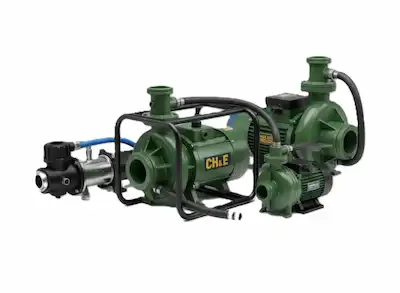
CH&E Diaphragm Pump Parts vs Generic Replacements: Which Offers Better Value?

CH&E Generac Magnum Water Pump

Need Help? Talk to a pump specialist now

Click to rate this post!
[Total: 1 Average: 5]

Introduction

A dewatering site grinds to a halt. The ground is soft, the work is urgent, and a small failure in one of the CH&E diaphragm pump parts brings everything to a stop. In those moments, every operator realizes the true cost of downtime.

When CH&E diaphragm pumps wear out, users face a common question: should they rely on genuine CH&E parts (OEM) or choose generic replacements that promise similar performance at a lower price? Both seem reasonable, but the long-term outcome depends on how the parts perform under pressure, how they fit the pump, and how cost-effective the replacement truly is.

This article explores what constitutes genuine CH&E diaphragm pump components, how generic replacements compare, and how to choose the best option for reliability, performance, and lifecycle value.

Introduction to Pump Technology

Pump technology has evolved significantly over the years, with various types of pumps being designed to cater to different applications and industries. One of the most versatile and widely used pumps is the diaphragm pump. A diaphragm pump is a type of positive-displacement pump that uses a diaphragm to move fluids, making it an ideal choice for handling thick and viscous materials. When it comes to choosing a diaphragm pump, it’s essential to consider the quality of the pump and its accessories to ensure optimal performance. CH&E diaphragm pumps, in particular, are known for their high-quality and cost-effective designs, making them a popular choice among industries that require reliable and efficient pumping solutions.

To find the right diaphragm pump for your needs, you can search for specific models and brands, such as CH&E, and compare their features and specifications. It’s also crucial to consider the replacement diaphragm and other parts that may be required to maintain the pump’s performance over time. Many manufacturers offer cost-effective replacement parts that can help extend the lifespan of your pump. When selecting a replacement diaphragm, make sure to choose a high-quality one that fits your pump model perfectly to ensure optimal performance and prevent damage to the pump.

In addition to the pump itself, it’s essential to consider the accessories that come with it, such as handles and other parts that can enhance the pump’s functionality and make it easier to use. Some pumps may also require specific types of diaphragms, such as TPE (thermoplastic elastomer), which can handle certain types of fluids and materials. By understanding the different types of diaphragm pumps and their accessories, you can make an informed decision when choosing a pump that meets your specific needs and requirements.

It’s also important to note that some manufacturers, such as CH&E, offer a range of pump models and accessories that can be used in various applications, including water and wastewater treatment. When using a diaphragm pump in such applications, it’s crucial to follow the manufacturer’s instructions and guidelines to ensure safe and effective use. Furthermore, it’s essential to respect the rights of manufacturers and adhere to their terms and conditions when using their products or accessing their information.

By considering these factors and choosing a high-quality diaphragm pump with the right accessories, you can ensure optimal performance, efficiency, and cost-effectiveness in your pumping operations. Whether you’re looking for a replacement diaphragm or a new pump, it’s essential to do your research and find a reputable manufacturer that offers high-quality products and excellent customer support. With the right pump technology and accessories, you can streamline your operations, reduce costs, and improve overall efficiency.

Understanding CH&E Diaphragm Pumps and Their Parts

CH&E diaphragm pumps are built to handle heavy-duty water removal, sludge movement, and construction site dewatering. Each model in the CH&E 5400 and 5500 series relies on a coordinated system of moving components that convert mechanical power into steady suction and discharge.

Key part categories include:

  • Diaphragms: flexible sheets that move liquid without mixing air or debris.
  • Valve balls and seats: regulate fluid direction and pressure control.
  • O-rings and gaskets: seal joints and prevent leaks.
  • Wet-end kits: include wear-prone elements that face direct fluid contact.
  • Drive-end assemblies: power and synchronize the pump’s mechanical motion.

Genuine CH&E parts are designed and tested to meet the exact tolerances of each model, ensuring precise fit and durable operation. Genuine spare parts are available for maintenance and replacement, ensuring continued performance. Their materials resist chemical wear and fatigue from constant pumping. Over time, that reliability saves both money and downtime.

Using non-OEM parts might seem tempting, but even slight deviations in diaphragm flexibility or valve seat diameter can change how the pump cycles and shorten its working life. To learn more about verified options and specifications, visit CH&E Diaphragm pump parts.

Generic (Aftermarket) Replacement Parts – What They Offer

Generic replacement diaphragm parts (also known as aftermarket parts) enter the market as low-cost alternatives to original CH&E components. They are often manufactured by third-party suppliers who advertise compatibility with specific pump models.

Their appeal:

  • Lower cost upfront.
  • Easy to find and use for non-critical operations.
  • Shorter delivery times.

But the information on these components can be limited, and the material properties may differ. A generic replacement diaphragm could work fine for light-duty pumps, but in more demanding conditions—muddy water, sand-laden sludge, or continuous cycles—the difference in quality becomes clear.

Potential drawbacks:

  • Reduced lifespan due to inferior materials.
  • An imperfect fit leading to leaks or vibration.
  • No warranty protection affects your service rights.
  • Unverified model compatibility that causes inconsistent flow rates.

In simple terms, generic options offer affordability but may sacrifice long-term dependability.

Cost vs Value – A Comparative Framework

At first glance, generic parts seem more affordable. But cost-effective doesn’t always mean cheapest. The true measure is how much performance and longevity you get for the money spent.

Factor Genuine Parts Generic Replacements
Upfront Cost Higher Lower
Service Life Longer Shorter
Downtime Risk Lower Higher
Efficiency Optimized Variable
Warranty Rights Maintained Often void
Support Verified data and testing Limited documentation

A pump running genuine components may cost more initially, but it will usually last longer and require fewer interventions. Lower maintenance costs over time can offset the higher upfront investment in genuine parts. A contractor using generic parts might save 40% on purchase but spend 60% more over time on labor and lost output.

The difference lies in total lifecycle management. A genuine diaphragm lasts through hundreds of cycles without distortion. A cheap substitute may fail under the same pressure, allowing debris to damage seals or clog valves.

External references, such as reports on Water Online, show how OEM-standard materials reduce the risk of premature failure and improve service reliability. Over time, maintaining consistent pump performance saves energy and repair expenses, making genuine parts truly cost-effective.

Key Technical & Operational Factors to Consider

When comparing options, evaluate technical and operational details carefully.

  • Material Compatibility: Genuine CH&E diaphragms are made to resist specific chemicals, abrasives, or sludge types. Non-OEMs might degrade faster under similar exposure.
  • Fit and Tolerances: Slight misalignments can cause pressure imbalance and loss of suction.
  • Availability: While generics are easier to find, genuine CH&E parts come with verified specifications and support documentation.
  • Criticality of Operation: For essential construction or flood-control pumps, downtime isn’t an option—genuine is the safer type.
  • Warranty and Support Rights: OEM parts typically preserve warranty rights, while generics often void them.
  • Service Intervals: Genuine CH&E components, especially when used with a genuine service kit, offer predictable replacement schedules and maintenance planning.

For less critical types of pumps or temporary setups, generic options might suffice, but for long-term performance, genuine CH&E design and testing standards are worth the investment.

Case Studies / Practical Comparisons

Let’s look at two hypothetical examples that illustrate the long-term impact of the choice.

Example 1: Dewatering Pump – Genuine Setup
A construction firm uses a CH&E 5500 model with OEM diaphragms and valve balls, as specified in the official parts list. After 1,000 operational hours, the diaphragm still performs within normal parameters. Scheduled maintenance is predictable, downtime is minimal, and warranty coverage remains intact.

Example 2: Dewatering Pump – Generic Setup
Another operation installs a third-party replacement diaphragm kit. The initial cost is 40% lower, but at 400 hours, the flow weakens. The material begins to warp, suction drops, and the crew must stop work to replace the kit again. Labor and time losses outweigh the savings.

Operation Type Part Type Service Life Downtime Overall Cost
High-Duty Genuine 1,000 hrs Minimal Predictable
Moderate-Duty Generic 400 hrs Frequent Higher over time

The takeaway: choose based on how vital the pump is to your operation. Genuine CH&E components ensure consistent results; generics are acceptable for low-risk, temporary use.

Decision-Making Checklist: When to Use Genuine vs Generic

Here’s a simple way to decide what to use:

  1. Mission-Critical Operation? → Genuine.
  2. Short-Term, Low-Pressure Need? → Generic may suffice.
  3. Abrasive or Chemical Fluids? → Genuine to ensure material resistance.
  4. Need Warranty Rights? → Genuine.
  5. Tight Schedule or Supply Delay? → Generic is temporarily acceptable.
  6. Check for gasket compatibility and quality to prevent leaks and ensure proper sealing.
  7. Seeking Predictable Maintenance? → Genuine for reliability.

If downtime carries a financial penalty or safety risk, genuine CH&E diaphragm components are the better option.

FAQ

What are the most common wear parts in CH&E diaphragm pumps?

Common wear items include diaphragms, valve balls, seats, O-rings, and wet-end kits.

Can generic parts fit a CH&E diaphragm pump correctly?

They may physically fit, but they may not perform to specification. Dimensional mismatches or material differences can lead to early wear or leaks.

How do genuine diaphragms affect maintenance costs?

They extend service intervals, reduce unplanned downtime, and stabilize performance.

Are generic replacement diaphragms always cheaper in the long run?

No. While the purchase price is lower, the shorter life cycle and higher downtime make them less efficient overall.

What should I check when sourcing pump parts?

Confirm model match, fluid compatibility, warranty coverage, and documented information on material composition.

Conclusion

The decision between genuine and generic CH&E parts depends on how you operate, what type of fluid you move, and how much downtime you can afford. Genuine diaphragm pump components preserve reliability, safety, and operational continuity. Generic options can serve short-term or secondary systems, but should be chosen with caution.

When you plan your maintenance strategy, search for quality data and evaluate the total cost—not just the sticker price. A genuine diaphragm or valve ball may seem costly, but it protects performance, maintains your warranty rights, and ensures every pump in your system continues to handle its load effectively.

The most cost-effective approach is understanding your needs, using verified accessories, and selecting components that truly fit your operation—not just your budget. Genuine CH&E engineering continues to define what durability and reliability mean in diaphragm-driven pumps used across the toughest water and sludge-handling environments.