
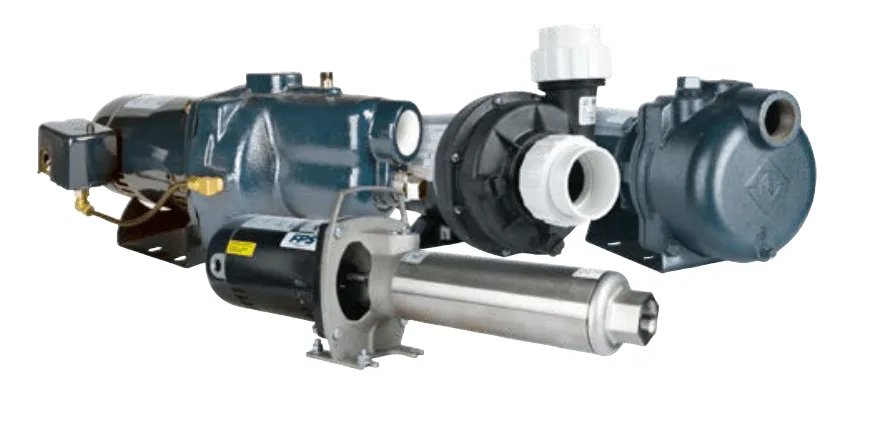
Monarch repair parts play a critical role in keeping water systems running efficiently across the world.
When a pump begins to lose pressure, leak, or fail under high-pressure conditions, the issue often stems from worn parts.
Many customers try to fix problems quickly by adding random components to their cart, but without a clear match, this can lead to repeated repair cycles and higher costs.
A structured approach helps you find the correct parts, confirm compatibility, and avoid unnecessary downtime.
This guide will help you identify components, understand pump systems, and use a catalog or website search to place in-stock orders with same-day shipping when needed.
Understanding Monarch Pump Systems
Monarch pump systems are widely used in industrial and commercial environments across the world.
These systems handle fluid transfer tasks that require consistent output, durability, and clear performance metrics.
Core Pump Applications
Common applications include:
- Agriculture irrigation
- Industrial fluid handling
- Commercial plumbing systems
Each application requires specific parts designed for pressure, flow, and durability, and you can explore compatible options through Monarch repair parts.
Core Pump Structure
A standard monarch system includes:
- Motor
- Impeller
- Housing
- Seals
- Bearings
Each of these parts must work together to maintain performance.
Pump Types
Common types include:
- Centrifugal systems
- Gear-based systems
- High-pressure systems
Each type requires different parts and fittings, such as NPT connections or metric threads.
Common Monarch Parts and Their Functions
Understanding individual parts helps customers make a clear selection.
Impellers
Impellers control flow and pressure.
Signs of failure:
- Reduced flow
- Vibration
- Lower efficiency
Mechanical Seals
Seals prevent leaks inside the system.
Failure signs:
- Dripping
- Fluid contamination
- Pressure loss
Bearings
Bearings reduce friction.
Failure signs:
- Noise
- Heat buildup
- Shaft instability
Gaskets and O-Rings
These parts ensure tight sealing.
Failure signs:
- Visible leaks
- Pressure drop
Shafts and Couplings
These transfer motion from the motor.
Failure signs:
- Misalignment
- Vibration
How to Identify the Right Parts
A clear process helps customers avoid mistakes.
Step 1: Locate Model Information
Find the model number and specifications.
This helps narrow down parts in a catalog or website search.
Step 2: Match Specifications
Focus on:
- Flow rate
- Pressure rating
- Material compatibility
This ensures parts will perform correctly.
Step 3: Use Catalog and Website Search
A reliable catalog allows customers to:
- Search by model
- Filter by type
- View in stock options
Using a website search also provides access to updated product listings and price details.
Step 4: Inspect Existing Parts
Check worn components carefully.
Measure dimensions and confirm NPT or metric fittings.
Step 5: Confirm Application Needs
Industrial systems may require stronger materials.
Commercial setups may need corrosion resistance.
Signs You Need Replacement Parts
Watch for these indicators:
- Reduced pressure
- Leaks
- Noise
- Overheating
- Decreased efficiency
These signs mean parts should be replaced before further damage occurs.
OEM vs Aftermarket Parts
Customers often compare OEM and aftermarket options.
OEM Parts
- Exact fit
- Reliable performance
- Higher price
Aftermarket Parts
- Lower price
- Wider availability
- Variable quality
Key Considerations
- Warranty
- Long-term cost
- Compatibility
Choosing the right option helps avoid repeat repair issues.
Maintenance Best Practices
Routine maintenance reduces downtime.
Maintenance Checklist
- Inspect seals
- Check bearings
- Clear debris
- Monitor pressure
Maintenance Frequency
- Weekly for heavy use
- Monthly for moderate use
Regular checks help maintain system performance.
Cost Considerations
Price varies depending on the type of part.
Factors That Affect Price
- Material
- Complexity
- Availability
Cost Examples
- Seal kits: low price
- Bearings: moderate price
- Full assemblies: higher price
Repairing parts is often more cost-effective than full replacement.
Finding Parts in Stock
Customers often need quick access to parts.
In Stock Orders
Many suppliers offer:
- In stock orders are ready for shipping
- Same-day processing
- Fast delivery options
Shipping and Availability
Check shipping details:
- Same-day shipping availability
- Inventory status
- Delivery timelines
Using a Website and Catalog Efficiently
A structured search saves time.
Website Navigation
Use filters to:
- Search by model
- Sort by price
- View stock availability
Catalog Usage
A catalog helps:
- Identify part numbers
- Compare products
- Confirm compatibility
Adding Items to Cart
Customers can:
- Add selected parts to cart
- Review price and shipping
- Proceed to checkout
Make sure all items in the cart match the system requirements.
Customer Support and Assistance
Support teams can assist with:
- Product selection
- Technical questions
- Order processing
Customers can contact support via email or website forms.
Global Access and Availability
Suppliers serve customers around the world.
International Shipping
Shipping options may include:
- Same day dispatch
- International delivery
- Tracking services
Access to Inventory
Customers can access:
- Full product listings
- Updated stock levels
- Real-time pricing
Key Features to Look For
When selecting parts, ensure:
- Clear specifications
- Compatible fittings (NPT or metric)
- Verified stock availability
Practical Tips for Buyers
To make the process easy:
- Search by model
- Compare price
- Check stock status
- Confirm shipping details
Rights and Policies
Before purchasing:
- Review return rights
- Check warranty coverage
- Understand shipping policies
FAQ Section
How do I find the correct parts?
Use the model number and search a catalog or website to match specifications.
What parts fail most often?
Seals, bearings, and impellers are the most common.
Can I repair pumps myself?
Yes, basic repair tasks can be done with proper tools.
How fast can I get parts?
Many suppliers offer same-day shipping for in-stock orders.
How do I contact support?
Customers can reach out via email or website contact forms.
Conclusion
Choosing the right parts for a monarch system ensures long-term performance and reliability.
A clear process that includes proper search, accurate specifications, and access to in-stock inventory helps customers avoid unnecessary repair costs.
By using a catalog, reviewing product details, and confirming compatibility, customers can add the correct items to their cart and complete purchases with confidence.
Always review price, shipping options, and support resources before placing an order.