
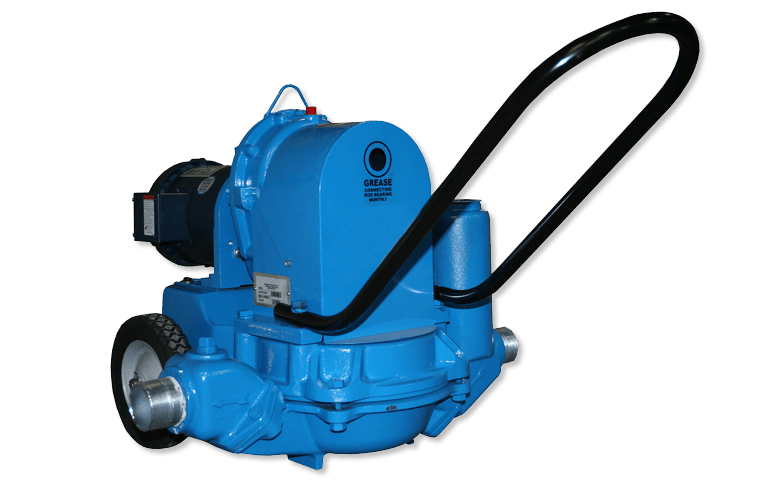
On a muddy jobsite, nobody has time for a pump that “kind of” works. The water isn’t clean, the pit isn’t shallow, and the crew isn’t waiting around because a machine decided to get picky. That’s why diaphragm pumps, especially Mud Hog-style models, keep showing up in the same places: construction sites, industrial cleanup, slurry work, and anywhere water is mixed with whatever the day throws into it.
But even these pumps have a predictable breaking point. It isn’t mysterious, and it isn’t rare. The diaphragm, the flexible part inside the pump that creates the pumping action, wears out. Not because the pump is poorly built, but because that diaphragm is constantly moving, constantly flexing, and constantly getting punished by grit, silt, sand, and heavy cycling. In tough conditions, replacing a diaphragm isn’t a surprise repair. It’s normal maintenance.
Most customers don’t go shopping for a replacement diaphragm casually. They go looking because something changed. A pump that used to pull strong suction suddenly struggles to prime. The flow drops off even though the engine sounds fine. Output starts to pulse when it used to run steadily. Sometimes the pump still moves water, but it takes longer, and the job starts sliding behind schedule. The pump hasn’t “died.” It’s just no longer sealing and flexing the way it needs to, and performance is the first thing to suffer.
That’s where diaphragm replacement turns into a practical decision: get the right part quickly, install it, and get the pump back to normal without ordering the wrong fit or choosing a material that won’t survive the same conditions that ruined the last one.
The mistake many buyers make is thinking all “muddy water” is the same. It isn’t. Some jobs are mostly water with soft sediment. Others are abrasive and gritty, the kind that slowly wears everything it touches. Some sites add fuel residue or oily contamination that breaks down certain materials far faster than expected. That’s why diaphragm material matters, not as a technical preference, but as a real-world difference in how long the repair actually lasts.
For general dirty water and mud, many customers stay with rubber diaphragm – style replacements because they’re reliable and straightforward for typical pumping conditions. When the job is harsher or more variable, neoprene diaphragm is often chosen because it tends to handle tougher use without becoming a short-term fix. If the environment includes oily water or petroleum contamination, buyers frequently move toward Buna diaphragm style materials because the wrong choice in that scenario can shorten diaphragm life quickly. And when crews are tired of changing diaphragms too often, especially in abrasive, high-cycle work, heavier-duty options like TPE diaphragm are commonly used to stretch service intervals and reduce downtime.
The point isn’t to turn every customer into a materials expert. The point is that the “right” diaphragm is the one that matches the pump and matches what’s going through it. When that match is wrong, the repair doesn’t feel like a repair; it feels like the start of a repeated problem.
This is Kens Distributing Company, the master stock distributor for Mud Hog replacement diaphragms. When a pump is holding up the job, people aren’t looking for theory. They’re looking for a dependable place to buy the correct diaphragm replacement and get moving again. Customers can order replacement diaphragms and diaphragm pump parts for any diaphragm Mud Hog Pump directly from Ken’s Distributing Company through the diaphragm pump parts category on kendiscocom.