
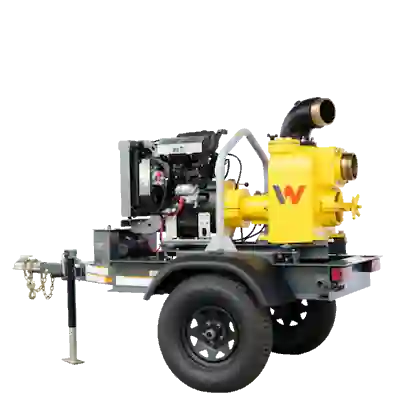
A diaphragm for wacker pumps is one of the most stressed internal components in jobsite pumping systems.
When that diaphragm begins to wear, Wacker Neuson and Neuson pumps often show reduced output, unstable pressure, or sudden shutdowns that delay work.
Understanding how a pump diaphragm functions, how it fits within Wacker and Neuson pump designs, and how to replace it correctly helps protect equipment and avoid unnecessary downtime. Torque sequence matters because a diaphragm pump seals on the clamped edge of the membrane, and an uneven cover load is what tears a new one early.
In most diaphragm pump systems, failure does not happen instantly.
Small changes in flow or vibration usually appear first, giving operators time to act before pumps stop completely.
Learning how the diaphragm works, what causes wear, and how proper installation affects fit and performance can save time, money, and repeated repairs. The part itself is the 3 inch Wacker rubber diaphragm, with neoprene available for chemical duty.
For technical references, compatibility checks, and visual confirmation of parts, you can review this resource for a diaphragm for Wacker pumps.
which helps verify oem specifications, correct item selection, and proper fit before service begins.
How Diaphragm Pump Systems Work in Wacker Neuson Equipment
A diaphragm pump moves fluid using a flexible diaphragm that expands and contracts inside a sealed chamber.
In Wacker Neuson and Neuson designs, this motion creates suction and discharge strokes without allowing water to contact mechanical drive components.
This separation protects equipment from internal contamination and allows pumps to handle mixed fluids and debris.
The Wacker Neuson diaphragm absorbs repeated motion, making it central to pump reliability.
Across many wacker pump configurations, the diaphragm controls pressure balance and maintains steady output.
When the pump diaphragm loses elasticity, efficiency drops quickly.
Common Signs a Pump Diaphragm Needs Replacement
A worn diaphragm usually shows symptoms before failure.
Operators using Wacker Neuson pumps often notice changes during daily operation.
Typical performance symptoms include:
- Reduced output from pumps moving water
- Pressure fluctuations during steady use
- Visible seepage around the housing
- Increased vibration in Wacker and Neuson units
Operational warnings may also be found over time, such as overheating or unusual internal noise.
These signs suggest diaphragm fatigue rather than external damage.
What Causes Diaphragm Failure in Wacker and Neuson Pumps
The diaphragm in a diaphragm pump flexes constantly.
In Wacker Neuson applications, repetitive motion combined with abrasive material accelerates wear.
Common causes include:
- Material fatigue from continuous flex cycles
- Abrasive slurryis damaging the diaphragm surface
- Pressure imbalance stresses internal parts
Fluid compatibility also matters.
Improper water mixtures or contamination weaken elastomers used in oem diaphragm designs.
Installation issues create preventable problems.
Incorrect torque or poor alignment affects fit and shortens the service life of the pump diaphragm, even when correct oem parts are used.
Tools and Preparation Before Replacement
Preparation reduces errors and protects surrounding equipment.
Before servicing Wacker Neuson pumps, tools, and workspace should be ready.
Basic requirements include:
- Wrenches and torque tools
- Protective gloves
- Clean surfaces for handling parts
A short checklist helps ensure accuracy:
- Drain the remaining water
- Clean the pump housing
- Confirm item size, fit, and oem compatibility
These steps prevent misalignment and repeat repairs.
Step-by-Step Diaphragm Replacement Process
Replacing a pump diaphragm follows a consistent method across many Wacker and Neuson pump models.
Step 1: Access the Housing
Open the housing carefully and organize each item removed.
Tracking parts avoids confusion during reassembly.
Step 2: Remove the Old Diaphragm
Inspect the worn diaphragm for cracks, warping, or thinning.
Wear patterns often explain performance loss in pumps.
Step 3: Install the New Diaphragm
Seat the replacement diaphragm evenly.
Correct orientation and proper fit are critical.
Step 4: Reassemble Using Correct Torque
Tighten fasteners evenly.
Balanced pressure allows the diaphragm to flex naturally.
Step 5: Test Before Full Operation
Run the diaphragm pump briefly to confirm stable pressure and flow.
Reducing Downtime During Diaphragm Service
Downtime often results from poor planning rather than repair difficulty.
Experienced Wacker Neuson operators prepare in advance.
Effective strategies include:
- Routine inspection of each pump diaphragm
- Keeping spare OEM parts available
- Tracking service intervals for all pumps
On-site readiness matters.
Keeping items pre-sorted, protecting added components from debris, and staging tools reduces service delays.
Diaphragm Lifespan and Maintenance Best Practices
The service life of a diaphragm depends on usage and conditions.
High pressure and abrasive material shorten the lifespan of wacker and Neuson pumps.
Best practices include:
- Flushing systems after use
- Monitoring pressure during operation
- Addressing vibration early
Routine checks improve reliability and protect equipment.
Final Notes for Operators and Buyers
This page supports users who have viewed a product, compared items, adjusted quantity, or added parts to a cart while planning maintenance.
Understanding how diaphragm pump systems work helps confirm correct oem selection and avoid compatibility issues.
Whether managing DHS equipment, servicing multiple Wacker Neuson pumps, or reviewing details before checkout, preparation saves time.
Use this guide to learn the process, confirm what you have found, and keep your operational state ready so downtime stays minimal.
Frequently Asked Questions
What causes a pump diaphragm to fail?
A diaphragm fails from flex fatigue over its normal service life, from chemical attack when the material does not match the liquid, from abrasives wearing it thin, and from uneven cover torque stretching it across the housing. That last one shows up within hours of a repair rather than after a season of work.
How often should a pump diaphragm be replaced?
Diaphragms are replaced on condition rather than a schedule, because life depends almost entirely on what the pump handles and how many hours it runs. Falling output, visible weeping at the covers or a pump that will not hold prime are the signals. Rental and construction fleets often stock kits ahead of need.
Can you replace a diaphragm without removing the pump?
On most frame-mounted diaphragm pumps you can change the diaphragm in place, since the covers come off from the outside without disturbing the pipework or the drive. That is what keeps the job to an hour or two. Only damage to the shaft or bearings requires taking the pump off its mount.
What should you replace along with the diaphragm?
Replace the valve balls, seats and cover gaskets at the same time as the diaphragm, because they wear together and the labor is already spent. A repair kit bundles exactly those items and usually costs less than the same parts ordered separately, which is why kits are the normal choice for a service.