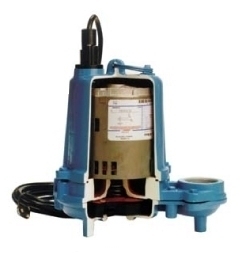
Monarch Sewage Series Utility Pumps
Monarch Sewage Series Utility Pumps help move wastewater, sewage, and solids quickly when drainage systems fail or water builds up.
Read More
If you are dealing with basement flooding, septic issues, or a jobsite with heavy water flow, choosing the right pump matters. This page explains how these pumps work, where to use them, and how Kens Distributing Company can help you find the right model.
Wastewater problems can damage property and slow down work. A dependable sewage pump keeps systems running and reduces downtime. Below, you will find clear information to help you choose with confidence.
What Are Monarch Sewage Series Utility Pumps?
Monarch Sewage Series Utility Pumps are built to handle wastewater that contains solids, debris, and sludge. These pumps move dirty water safely from one place to another without clogging.
They are commonly used in residential, commercial, and industrial settings where standard pumps cannot handle the load.
Key Features of Sewage Series Pumps
- High-capacity flow for fast drainage
• Durable construction for long-term use
• Ability to pass solids without blockage
• Corrosion-resistant materials
• Designed for continuous or intermittent use
These features make them a strong option for tough pumping jobs.
Where Are Sewage Utility Pumps Used?
Sewage pumps are used anywhere wastewater needs to move away from a low point. They are common in systems where gravity cannot do the job.
Common Applications
- Basement sewage systems
• Septic tanks and lift stations
• Construction site drainage
• Commercial wastewater systems
• Agricultural waste management
For example, if a basement bathroom sits below the main sewer line, a sewage pump helps move waste up and out.
How Do Sewage Pumps Work?
Sewage pumps pull wastewater through an intake and push it through a discharge pipe. Most models include an automatic float switch that activates the pump when water reaches a certain level.
This process helps prevent overflow and keeps systems running without manual control.
Basic Pump Operation
- Water enters the basin or pit
- The float switch rises with the water level
- The pump turns on automatically
- Wastewater is pushed through a discharge line
- The pump shuts off once levels drop
This cycle repeats as needed to manage wastewater flow.
Choosing the Right Sewage Pump
Selecting the right pump depends on your application, flow needs, and the type of waste you handle. Using the wrong pump can lead to clogs or system failure.
Factors to Consider
- Flow rate (gallons per minute)
• Total head or vertical lift
• Solid handling capacity
• Power source and voltage
• Pump size and installation space
If you need help comparing options, you can browse other water pumps to see different types available for your system.
Submersible vs Non-Submersible Pumps
Submersible pumps sit directly in the wastewater basin. They are quiet and space-saving.
Non-submersible pumps stay above the water level. They are easier to access for maintenance.
Choosing between them depends on your setup and maintenance preferences.
Benefits of Monarch Sewage Series Utility Pumps
Monarch pumps are built for performance and reliability. They are made to handle demanding jobs without frequent breakdowns.
Why Choose This Series?
- Efficient wastewater removal
• Reduced risk of clogging
• Long service life
• Easy installation
• Strong performance under heavy use
These benefits help keep systems running with fewer interruptions.
Maintenance Tips for Long-Term Performance
Regular maintenance helps your pump last longer and work better. Small checks can prevent bigger issues later.
Basic Maintenance Checklist
- Inspect the pump for debris buildup
• Test the float switch regularly
• Clean the intake screen
• Check discharge lines for blockages
• Monitor motor performance
If a pump shows signs of wear, it is best to address the issue early to avoid system failure.
Understanding Pump Capacity and Performance
Pump performance depends on how much water it can move and how high it can lift it. Matching these factors to your system is important.
Key Terms Explained
- Flow Rate: The amount of water moved per minute
• Head Height: The vertical distance the pump can move water
• Horsepower: The motor strength of the pump
• Solids Handling: The size of debris the pump can pass
These terms help you compare models and choose the right fit.
Why Buy from Kens Distributing Company?
Kens Distributing Company offers reliable pump solutions for many industries. Their selection includes trusted brands and models built for different applications.
They focus on helping customers find the right equipment without confusion. You get clear product details and support when needed.
If you are exploring other systems, you can also review Monarch water pumps to compare options within the same brand.
Signs You Need a Sewage Pump Upgrade
Older or undersized pumps can cause serious problems. Knowing when to replace your pump can save time and money.
Warning Signs
- Frequent clogging or backups
• Slow drainage
• Unusual noise during operation
• Pump running constantly
• System overflow
Upgrading to a stronger pump improves performance and reliability.
Installation Tips for Better Results
Proper installation helps your pump work efficiently. Even a good pump can fail if installed incorrectly.
Best Practices
- Use the correct basin size
• Install a check valve to prevent backflow
• Ensure proper electrical setup
• Position the pump securely
• Test the system after installation
If you are unsure, consult a professional to avoid mistakes.
Final Thoughts on Sewage Series Pumps
Choosing the right sewage pump protects your property and keeps wastewater systems running smoothly. The right model handles solids, reduces clogging, and provides consistent performance.
Kens Distributing Company offers dependable options that meet different needs. By understanding your system and choosing the right specifications, you can avoid downtime and maintain efficient operation.