
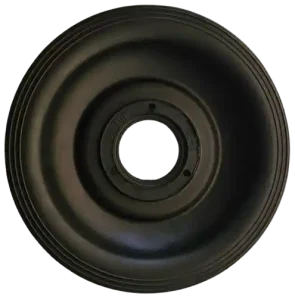
Wacker Neuson Replacement Diaphragms for Diaphragm Pumps
Wacker Neuson Replacement Diaphragms for 2″ and 3″ Diaphragm Pumps are available through Ken’s Distributing in rubber, neoprene, Buna/nitrile, and TPE/Santoprene materials for construction dewatering, trench work, concrete cutting and grinding slurry, groundwater removal, and industrial fluid-transfer applications. Ken’s Distributing supplies diaphragms for commonly used Wacker Neuson diaphragm pump models, including current and legacy equipment still operating in the field.
Use your Wacker Neuson pump model, diaphragm size, existing part information, fluid application, and operating conditions to identify the correct replacement. Call (303) 699-7845 if you need help determining the appropriate Wacker Neuson diaphragm before ordering.
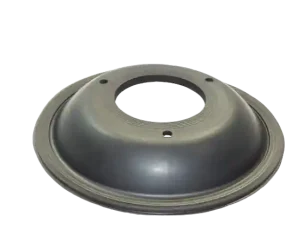
Wacker Neuson Diaphragm Pumps and Applications
Wacker Neuson diaphragm pumps are positive-displacement pumps designed for demanding water-removal and slurry-handling applications. These pumps can handle water containing sediment, mud, fine concrete particles, small solids, and other debris that may create problems for conventional impeller-style pumps.
The diaphragm repeatedly flexes during operation to create suction and discharge pressure. In construction environments, especially concrete cutting and grinding applications, the diaphragm may be exposed to abrasive, particle-laden water for extended periods.
Because operating conditions vary significantly between applications, diaphragm material should be selected according to the Wacker Neuson pump model, fluid being handled, run time, weather exposure, and expected service conditions.
Ken’s Distributing supplies Wacker Neuson replacement diaphragms for commonly used pump configurations as well as selected legacy models. If your pump is not covered by the standard information below, contact Ken’s Distributing with the model number and existing diaphragm details.
Wacker Neuson Replacement Diaphragm Sizes
Ken’s Distributing supplies replacement diaphragms for commonly used 2 inch and 3 inch Wacker Neuson diaphragm pumps. Pump size alone should not be used to identify a replacement, so confirm the complete Wacker Neuson model before ordering.
2 Inch Wacker Neuson Replacement Diaphragms
Replacement diaphragms for 2 inch Wacker Neuson pumps are used in applications such as trench dewatering, groundwater removal, light slurry transfer, concrete cutting water management, and general construction site pumping.
Available material options may include rubber, neoprene, Buna/nitrile, and TPE/Santoprene depending on the Wacker Neuson pump model and application.
Shop 2 Inch Replacement Diaphragms
3 Inch Wacker Neuson Replacement Diaphragms
Replacement diaphragms for 3 inch Wacker Neuson pumps are used in higher-volume dewatering, slurry handling, construction pumping, and extended jobsite operation.
Available material options may include rubber, neoprene, Buna/nitrile, and TPE/Santoprene depending on the Wacker Neuson pump model and operating requirements.
Shop 3 Inch Replacement Diaphragms
Legacy and Non-Standard Wacker Neuson Diaphragms
Older Wacker Neuson pump models and specialty configurations may require diaphragm dimensions outside the most common 2 inch and 3 inch applications.
If you are servicing an older pump, provide Ken’s Distributing with the Wacker Neuson model number, existing diaphragm information, and physical measurements if available.
For valves, seats, and other Wacker Neuson pump repair components, see the Wacker Neuson diaphragm pump parts section or contact Ken’s Distributing with your pump model.
Wacker Neuson Replacement Diaphragm Materials
Wacker Neuson replacement diaphragms are available in several materials. The appropriate compound depends on the fluid being pumped, abrasion, outdoor exposure, operating hours, temperature, and other service conditions.
Neoprene Wacker Neuson Diaphragms
Neoprene is commonly selected for Wacker Neuson pumps operating in construction dewatering, groundwater control, concrete cutting, grinding slurry, and other outdoor applications.
It provides a useful combination of flexibility, physical durability, weather resistance, and resistance to repeated pump cycling.
Common applications include:
- Construction dewatering
- Groundwater removal
- Concrete cutting and grinding wastewater
- Sediment-laden trench and surface water
- Outdoor pump operation
- Water-based slurry without significant petroleum contamination
Applications involving significant oil, fuel, petroleum products, or aggressive chemicals may require a different diaphragm material.
Learn More About Neoprene Replacement Diaphragms
Rubber Wacker Neuson Diaphragms
Rubber diaphragms are a cost-effective option for Wacker Neuson pumps handling clean water, groundwater, and lightly turbid water where petroleum and aggressive chemical exposure are minimal.
Common applications include:
- Clean groundwater
- Surface water removal
- Standard construction dewatering
- Intermittent water-transfer applications
- General clean-water pumping
For highly abrasive construction slurry or prolonged outdoor exposure, another material such as neoprene may provide better service for the application.
Learn More About Rubber Replacement Diaphragms
Buna/Nitrile Wacker Neuson Diaphragms
Buna-N, also known as nitrile or NBR, is commonly selected for Wacker Neuson applications involving petroleum products, fuel-contaminated groundwater, lubricants, hydraulic fluids, and other hydrocarbon-containing fluids.
Common applications include:
- Oily wastewater
- Fuel-contaminated groundwater
- Petroleum-containing wash water
- Industrial maintenance applications
- Environmental remediation involving hydrocarbon contamination
Buna/nitrile generally provides greater resistance to petroleum-containing fluids than standard rubber or neoprene. Fluid type and operating conditions should still be reviewed before selecting a diaphragm.
Learn More About Buna/Nitrile Replacement Diaphragms
TPE/Santoprene Wacker Neuson Diaphragms
TPE/Santoprene diaphragms may be selected for Wacker Neuson pumps operating in demanding, high-cycle, continuous-duty, outdoor, or abrasive environments where fatigue resistance and durability are priorities.
Common applications include:
- Continuous-duty construction dewatering
- High-cycle concrete cutting and grinding slurry
- Abrasive water-based slurry applications
- Selected industrial fluids
- Outdoor pumping environments
- Applications where reducing diaphragm maintenance frequency is important
The exact fluid and operating conditions should be reviewed before selecting TPE/Santoprene for a Wacker Neuson pump.
Learn More About TPE Santoprene Replacement Diaphragms
How to Choose a Wacker Neuson Diaphragm Material
The correct diaphragm compound depends primarily on the fluid being pumped and the conditions in which the Wacker Neuson pump operates.
Clean water and standard groundwater: Rubber or neoprene may be appropriate depending on outdoor exposure, operating hours, abrasion, and service requirements.
Concrete cutting slurry and grinding wastewater: Neoprene is commonly selected for standard construction use. TPE/Santoprene may be considered for selected high-cycle or continuous-duty applications.
Oily wastewater and petroleum-contaminated fluids: Buna/nitrile is commonly selected where greater resistance to petroleum oils and fuels is required.
Continuous-duty and demanding environments: TPE/Santoprene may be appropriate where fatigue resistance, outdoor durability, and longer service intervals are priorities.
If the application involves unusual chemicals, mixed fluids, extreme temperatures, or operating conditions outside normal construction dewatering, contact Ken’s Distributing with the Wacker Neuson pump model and fluid information before ordering.
Wacker Neuson Pump Configurations We Support
Ken’s Distributing supplies replacement diaphragms and repair components for Wacker Neuson diaphragm pump configurations commonly used in construction and industrial applications.
- 2 inch Wacker Neuson diaphragm pumps
- 3 inch Wacker Neuson diaphragm pumps
- Trailer-mounted Wacker Neuson dewatering units
- Engine-driven Wacker Neuson diaphragm pumps
- Legacy Wacker Neuson pump models still operating in the field
If you cannot identify your exact Wacker Neuson model, provide Ken’s Distributing with photographs of the pump tag, pump housing, engine or drive arrangement, and existing diaphragm. This information can help the parts team identify the appropriate replacement.
How to Identify the Correct Wacker Neuson Replacement Diaphragm
Do not select a replacement diaphragm by nominal pump size alone. Start with the complete Wacker Neuson pump model and any existing diaphragm information.
Useful identification details include:
- Wacker Neuson pump model number
- Nominal pump size
- Existing diaphragm part number, if available
- Current diaphragm material
- Physical diaphragm measurements
- Fluid being pumped
- Operating environment
If the pump identification plate cannot be read, photographs and physical diaphragm measurements may help identify the appropriate Wacker Neuson replacement.
Signs a Wacker Neuson Diaphragm May Need Replacement
Diaphragm wear often appears as gradual performance loss before complete failure. Pumps used for abrasive slurry or continuous construction applications should be inspected regularly rather than waiting for an obvious failure.
Inspect the diaphragm if you notice any of the following:
- The pump takes longer than normal to prime
- Discharge flow decreases under otherwise normal operating conditions
- Pump cycling becomes irregular or labored
- Air appears in the discharge stream
- Visible cracking, cuts, stiffening, thinning, or deformation appears on the diaphragm
- Fluid leaks around the diaphragm housing or cover area
- Pump vibration changes noticeably during operation
A visibly damaged diaphragm should be serviced promptly. Continued operation may allow abrasive fluid or debris to reach other pump components and increase repair requirements.
Wacker Neuson Diaphragm Installation and Maintenance
Installation
Confirm the Wacker Neuson model, diaphragm specifications, and selected material before beginning installation.
- Clean the diaphragm housing and mounting surfaces before installing the replacement.
- Confirm the replacement diaphragm against the original part for the specific Wacker Neuson model.
- Tighten cover hardware evenly using the service procedure specified for the pump.
- Inspect valves, seats, plates, and related wear components while the pump is disassembled.
- Follow Wacker Neuson service documentation for the specific pump configuration.
If the pump uses more than one diaphragm, inspect all diaphragms during service and follow the manufacturer’s replacement procedure.
Maintenance
- Inspect Wacker Neuson diaphragms regularly according to operating hours and application conditions.
- Increase inspection frequency for pumps handling concrete slurry, abrasive wastewater, or continuous-duty service.
- Flush the pump after concrete cutting, grinding, slurry, or sediment-heavy applications.
- Do not allow concrete particles or slurry to harden inside the pump housing.
- Inspect valves and seats whenever diaphragm service is performed.
- Follow Wacker Neuson storage recommendations during extended periods of inactivity.
Blanket Orders and Bulk Pricing for Wacker Neuson Diaphragms
Contractors, rental companies, municipalities, and industrial operations maintaining multiple Wacker Neuson diaphragm pumps can reduce downtime by keeping commonly used replacement diaphragms in inventory.
Ken’s Distributing offers bulk pricing and blanket order programs for qualifying Wacker Neuson diaphragm orders. These programs can help simplify recurring purchasing and maintain planned replacement-part inventory.
Learn More About Blanket Orders
For pricing, contact Ken’s Distributing with your Wacker Neuson pump model, diaphragm size, required material, and estimated annual quantity.
Related Parts for Wacker Neuson Diaphragm Pumps
Diaphragms are one of several wear components that should be inspected during Wacker Neuson pump service. Depending on the model and operating conditions, related maintenance items may include valves, seats, plates, seals, fasteners, and other repair components.
Valves and Seats
Valves and seats help control one-way fluid movement through the pump. Worn, damaged, or debris-fouled components can reduce flow, make priming more difficult, and contribute to irregular pump performance.
Inspect these components whenever diaphragm service is performed.
Wacker Neuson Rebuild Kits
Ken’s Distributing supplies repair components and selected rebuild kits for Wacker Neuson diaphragm pumps. Kit contents and availability depend on the specific Wacker Neuson model.
Contact Ken’s Distributing with the complete pump model number for current repair-kit and component information.
Browse Other Diaphragm Pump Manufacturer Categories
If you are servicing a diaphragm pump from another manufacturer, use the appropriate manufacturer-specific category below. Replacement parts should be selected according to the manufacturer and model of the pump being serviced.
- CH&E Replacement Diaphragms
- Magnum Replacement Diaphragms
- AMT Replacement Diaphragms
- Gorman-Rupp Replacement Diaphragms
- Multiquip Replacement Diaphragms
- Riverside Replacement Diaphragms
- Tsurumi Replacement Diaphragms
Shop Replacement Diaphragms by Material
- Rubber Replacement Diaphragms
- Neoprene Replacement Diaphragms
- Buna/Nitrile Replacement Diaphragms
- TPE Santoprene Replacement Diaphragms
Frequently Asked Questions About Wacker Neuson Replacement Diaphragms
Which Wacker Neuson pump models are supported?
Ken’s Distributing supplies replacement diaphragms for commonly used 2 inch and 3 inch Wacker Neuson diaphragm pumps, including selected current and legacy models. Contact Ken’s Distributing with the complete Wacker Neuson pump model to identify the appropriate replacement.
Which diaphragm material is commonly used for Wacker Neuson concrete cutting pumps?
Neoprene is commonly selected for water-based concrete cutting and grinding slurry because it provides useful resistance to abrasion, outdoor exposure, and repeated flexing. TPE/Santoprene may be considered for selected continuous-duty or high-cycle applications.
How do I know when my Wacker Neuson diaphragm needs replacement?
Common warning signs include reduced flow, longer priming time, irregular cycling, air in the discharge stream, visible cracking, stiffening, thinning, deformation, or leakage around the diaphragm area. Pumps handling abrasive slurry should be inspected more frequently than pumps used for clean-water dewatering.
Can I change the diaphragm material in my Wacker Neuson pump?
The diaphragm material should be selected according to the requirements of the specific Wacker Neuson pump and application. Do not select a different material based only on diaphragm dimensions. Confirm the pump model, diaphragm specifications, fluid type, and operating conditions before ordering.
How often should a Wacker Neuson diaphragm be replaced?
There is no single replacement interval that applies to every Wacker Neuson pump. Service life depends on operating hours, diaphragm material, fluid abrasiveness, pump condition, maintenance practices, and application. Regular inspection is more reliable than using a fixed replacement schedule for every pump.
Do you carry parts beyond Wacker Neuson replacement diaphragms?
Yes. Ken’s Distributing supplies valves, seats, repair components, and selected rebuild kits for Wacker Neuson diaphragm pumps. Contact Ken’s Distributing with your pump model to identify the appropriate repair parts.
Can I order Wacker Neuson replacement diaphragms in bulk?
Yes. Bulk pricing and blanket order programs are available for qualifying contractors, rental companies, municipalities, and organizations maintaining multiple Wacker Neuson pumps. Contact Ken’s Distributing with your pump information and estimated annual quantity for pricing details.
Do you ship Wacker Neuson replacement diaphragms to Canada?
Yes. Ken’s Distributing ships Wacker Neuson replacement diaphragms throughout the United States and Canada. Contact Ken’s Distributing for shipping information on larger, bulk, or recurring orders.