
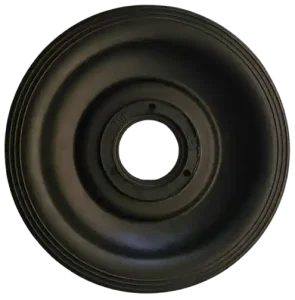
CH&E Replacement Diaphragms for Diaphragm Pumps
CH&E Replacement Diaphragms for 2″ and 3″ Diaphragm Pumps are available from Ken’s Distributing in rubber, neoprene, Buna/nitrile, and TPE/Santoprene materials for construction dewatering, trench work, concrete cutting and grinding, municipal water removal, slurry handling, and industrial fluid-transfer applications. As an authorized CH&E dealer, Ken’s Distributing can help identify the correct diaphragm using your CH&E pump model, part number, application, and existing diaphragm specifications.
If your CH&E diaphragm pump is losing prime, producing less flow, cycling irregularly, or showing visible diaphragm wear, use the information below to identify the appropriate replacement material and size for your CH&E pump.
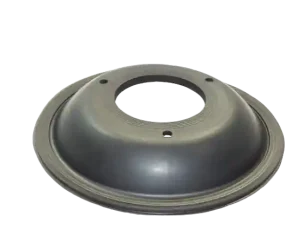
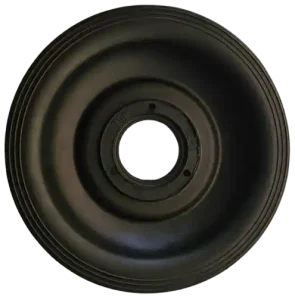
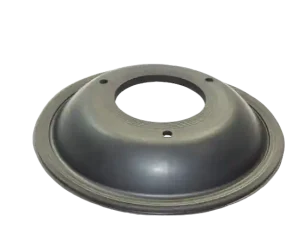
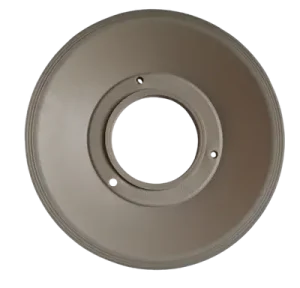
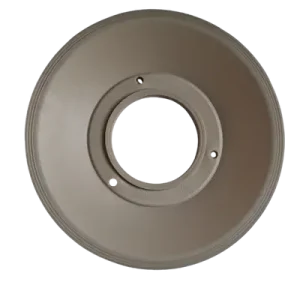
CH&E Diaphragm Pump Replacement Parts
CH&E diaphragm pumps are used in demanding applications where pumps may encounter mud, slurry, sediment-laden groundwater, construction water, and other fluids containing suspended solids. The diaphragm is a critical wear component that repeatedly flexes during operation to move fluid through the pump.
Because diaphragm condition directly affects pump performance, selecting the correct replacement material for the fluid and operating environment is important for service life and dependable operation.
Ken’s Distributing has supported CH&E pump owners since 1991 and supplies replacement diaphragms and repair parts for current and legacy CH&E pump models still operating in the field.
CH&E Replacement Diaphragm Sizes
Ken’s Distributing supplies replacement diaphragms for commonly used 2 inch and 3 inch CH&E diaphragm pumps. Some older and specialty CH&E models may require different dimensions, so the pump model and existing diaphragm specifications should always be confirmed before ordering.
2 Inch CH&E Replacement Diaphragms
Replacement diaphragms for 2 inch CH&E pumps are available for construction dewatering, trench work, groundwater removal, light slurry handling, and other general pumping applications.
Available material options may include rubber, neoprene, Buna/nitrile, and TPE/Santoprene depending on the CH&E pump model and application.
Shop 2 Inch Replacement Diaphragms
3 Inch CH&E Replacement Diaphragms
Replacement diaphragms for 3 inch CH&E pumps are available for higher-volume dewatering, slurry transfer, construction water removal, and demanding jobsite applications.
Available material options may include rubber, neoprene, Buna/nitrile, and TPE/Santoprene depending on the CH&E pump model and operating requirements.
Shop 3 Inch Replacement Diaphragms
Legacy and Non-Standard CH&E Diaphragm Sizes
Older CH&E pumps and specialty configurations may require diaphragm dimensions outside the most common 2 inch and 3 inch applications. If you are servicing an older CH&E pump, provide Ken’s Distributing with the model number, existing part number if available, and diaphragm measurements.
Call (303) 699-7845 or contact Ken’s Distributing online for help identifying the correct CH&E replacement diaphragm.
CH&E Replacement Diaphragm Materials
CH&E replacement diaphragms are available in several material types. The correct material depends on the fluid being pumped, operating environment, weather exposure, run time, and service requirements.
Ken’s Distributing can help determine the appropriate diaphragm material for your CH&E pump using your model number and application details.
Neoprene CH&E Diaphragms
Neoprene is commonly used in CH&E diaphragm pumps operating in construction dewatering, groundwater control, concrete cutting, grinding, and general outdoor pumping applications.
Neoprene provides a useful combination of flexibility, physical durability, weather resistance, and resistance to repeated pump cycling.
Common CH&E applications for neoprene include:
- Construction dewatering
- Groundwater removal
- Concrete cutting and grinding wastewater
- Construction slurry without significant petroleum content
- Sediment-laden trench and surface water
- Outdoor pumping applications
Applications involving significant oil, fuel, petroleum products, or aggressive chemicals may require a different diaphragm material.
Learn More About Neoprene Replacement Diaphragms
Rubber CH&E Diaphragms
Rubber diaphragms are a cost-effective option for CH&E pumps handling clean water, groundwater, lightly turbid water, and standard dewatering applications where petroleum and aggressive chemical exposure are minimal.
Common CH&E applications for rubber include:
- Clean groundwater removal
- Standard construction dewatering
- Surface water pumping
- Pond and general water transfer
- Intermittent clean-water pumping applications
Rubber may not be the best material where prolonged outdoor exposure, petroleum contamination, or demanding chemical conditions are present.
Learn More About Rubber Replacement Diaphragms
Buna/Nitrile CH&E Diaphragms
Buna-N, also known as nitrile or NBR, is commonly selected for CH&E pump applications involving oil, fuel, lubricants, petroleum-contaminated water, and other hydrocarbon-containing fluids.
Common CH&E applications for Buna/nitrile include:
- Oily wastewater
- Fuel-contaminated groundwater
- Petroleum-containing wash water
- Industrial fluid-transfer applications involving oils or lubricants
- Environmental remediation involving hydrocarbon contamination
Buna/nitrile generally provides greater resistance to petroleum-based fluids than standard rubber or neoprene. Fluid type and operating conditions should still be reviewed before selecting a diaphragm.
Learn More About Buna/Nitrile Replacement Diaphragms
TPE Santoprene CH&E Diaphragms
TPE Santoprene diaphragms may be selected for CH&E pumps operating in demanding, high-cycle, outdoor, or continuous-duty environments where flex life and durability are important.
Common CH&E applications for TPE Santoprene include:
- Continuous-duty pumping
- High-cycle construction dewatering
- Demanding slurry applications
- Selected industrial fluids and water-based chemical solutions
- Outdoor pumping environments
- Applications where reducing maintenance frequency is a priority
The exact fluid and operating conditions should be reviewed before selecting TPE Santoprene for a CH&E pump.
Learn More About TPE Santoprene Replacement Diaphragms
How to Choose a CH&E Diaphragm Material
The best diaphragm material depends primarily on the fluid being pumped and the conditions in which your CH&E pump operates.
Clean water and standard groundwater: Rubber or neoprene may be appropriate depending on outdoor exposure, operating hours, and service requirements.
Construction slurry and concrete cutting wastewater: Neoprene is commonly selected where physical durability and outdoor performance are important.
Oily wastewater and petroleum-contaminated fluids: Buna/nitrile is commonly used where greater oil and fuel resistance is required.
Continuous-duty and demanding environments: TPE Santoprene may be appropriate where fatigue resistance and longer service intervals are priorities.
If your application involves unusual chemicals, mixed fluids, extreme temperatures, or conditions outside normal construction dewatering, contact Ken’s Distributing with your CH&E model number and application details before ordering.
CH&E Pump Configurations We Support
Ken’s Distributing supplies replacement diaphragms and repair parts for a range of CH&E diaphragm pump configurations used in construction, industrial, municipal, and dewatering applications.
- 2 inch CH&E diaphragm pumps
- 3 inch CH&E diaphragm pumps
- Trailer-mounted CH&E dewatering pumps
- Engine-driven CH&E diaphragm pumps
- Legacy CH&E pump models still in field service
If you cannot identify your exact CH&E model, provide the pump tag information, photographs of the pump, and any visible part numbers to Ken’s Distributing. Our parts team can use this information to help identify the correct CH&E replacement diaphragm.
How to Identify the Correct CH&E Replacement Diaphragm
Do not rely on nominal pump size alone when ordering a CH&E diaphragm. The pump model and diaphragm specifications provide a more reliable way to identify the correct replacement.
Useful information includes:
- CH&E pump model number
- Existing diaphragm part number, if available
- Nominal pump size
- Existing diaphragm material
- Outside diameter and other required diaphragm measurements
- Fluid being pumped
- Operating environment
If the model plate is missing or unreadable, photographs of the pump housing, engine arrangement, existing diaphragm, and other identifying features may help the parts team determine the correct CH&E replacement part.
Signs a CH&E Diaphragm May Need Replacement
Diaphragm wear can gradually reduce CH&E pump performance before a complete failure occurs. Regular inspection can help identify wear early and reduce the risk of additional pump damage.
Inspect the diaphragm if you notice any of the following:
- The pump takes longer than normal to prime
- Discharge flow decreases under otherwise normal operating conditions
- Pump cycling becomes irregular or labored
- Visible cracks, cuts, thinning, stiffening, or deformation appear on the diaphragm
- Fluid appears where it should not be within the pump assembly
- Leakage develops around the diaphragm housing or cover area
- Pump vibration changes noticeably during operation
A damaged diaphragm should be inspected and replaced before continued operation causes additional wear to other pump components.
CH&E Diaphragm Installation and Maintenance
Correct installation and routine pump maintenance can help improve diaphragm service life and reduce unexpected downtime. Always follow CH&E service procedures for your specific pump model.
Installation Tips
- Clean the diaphragm housing and mounting surfaces before installing the replacement.
- Confirm the replacement diaphragm dimensions and mounting arrangement against the original CH&E part.
- Inspect the diaphragm plates, valves, seats, fasteners, and surrounding components while the pump is disassembled.
- Tighten cover and mounting hardware evenly according to the recommended service procedure.
- Make sure the diaphragm is positioned correctly before final assembly.
Maintenance Tips
- Inspect diaphragms regularly based on operating hours and application conditions.
- Increase inspection frequency when pumping abrasive slurry or operating continuously.
- Flush the pump after handling mud, contaminated water, petroleum-containing fluids, or other materials that may remain inside the housing.
- Inspect valves, seats, seals, and other wear components during diaphragm service.
- Store the pump according to CH&E recommendations when it will be out of service for an extended period.
Blanket Orders and Bulk Pricing for CH&E Diaphragms
Contractors, rental companies, municipalities, and industrial operations that maintain multiple CH&E pumps can reduce downtime by keeping frequently used replacement diaphragms in inventory.
Ken’s Distributing offers blanket order programs and bulk pricing for qualifying organizations with recurring CH&E replacement diaphragm requirements.
Blanket orders can help simplify purchasing, maintain planned inventory levels, and schedule fulfillment according to operational needs.
Learn More About Blanket Orders
For bulk pricing, contact Ken’s Distributing with your CH&E pump model, diaphragm size, required material, and estimated annual quantity.
Frequently Asked Questions About CH&E Replacement Diaphragms
Is Ken’s Distributing an authorized CH&E dealer?
Yes. Ken’s Distributing is an authorized CH&E dealer and can assist with CH&E replacement diaphragms, pump parts, model identification, material selection, and availability for current and legacy CH&E pumps.
How do I know which CH&E diaphragm size I need?
Start with your CH&E pump model number and existing diaphragm part number if available. Many CH&E applications use 2 inch or 3 inch pumps, but nominal pump size alone does not identify the exact diaphragm dimensions. Ken’s Distributing can help determine the appropriate replacement using your model and diaphragm measurements.
Which diaphragm material is commonly used in CH&E construction pumps?
Neoprene is commonly used for CH&E construction dewatering, groundwater control, concrete cutting, and similar outdoor applications. Rubber may be appropriate for clean-water pumping, Buna/nitrile for petroleum-contaminated fluids, and TPE Santoprene for selected demanding or high-cycle applications.
Can I change the diaphragm material in my CH&E pump?
The diaphragm material should be selected according to the requirements of the specific CH&E pump and application. Do not select a different material based on dimensions alone. Confirm your pump model, diaphragm specifications, fluid type, and operating conditions before ordering. Ken’s Distributing can help determine the appropriate material for your CH&E pump.
How long do CH&E replacement diaphragms last?
Service life depends on the diaphragm material, fluid being pumped, operating hours, abrasion, temperature, pump condition, maintenance practices, and other application factors. Regular inspection is more reliable than using a single replacement interval for every CH&E pump.
What happens if I operate a CH&E pump with a damaged diaphragm?
Continuing to operate a pump with a damaged diaphragm can reduce pumping performance and may allow fluid or debris to reach other areas of the pump. Inspect and replace damaged wear components promptly to reduce the risk of additional repairs.
How do I identify a CH&E diaphragm if the pump tag is unreadable?
Provide Ken’s Distributing with photographs of the pump, existing diaphragm, engine or drive arrangement, and any visible casting or part numbers. Physical diaphragm measurements can also help identify the appropriate CH&E replacement.
Do you ship CH&E replacement diaphragms to Canada?
Yes. Ken’s Distributing ships CH&E replacement diaphragms throughout the United States and Canada. Contact Ken’s Distributing for shipping information on bulk and blanket orders.