
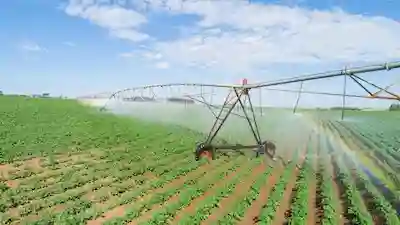
Agricultural irrigation pumps are the cornerstone of effective water management for farms, ensuring crops receive a consistent water supply. With global agricultural demands increasing and water scarcity a growing concern, selecting the right water pumps for farming is critical for maximizing yields and minimizing costs. At Ken’s Distributing, we specialize in Franklin Electric irrigation pumps, renowned for their durability and performance. This guide explores how to choose the best agricultural irrigation pumps, key features to consider, and maintenance tips to keep your system running smoothly.
Why Agricultural Irrigation Pumps Are Essential
Agricultural irrigation pumps play a vital role in delivering water to fields, orchards, and greenhouses, especially in regions facing drought or irregular rainfall. High-flow pumps ensure efficient water distribution, supporting sustainable farming practices while reducing energy costs. Franklin Electric irrigation pumps, available through Ken’s Distributing, are designed to meet these challenges, offering solutions for small-scale farms and large agribusinesses alike.
Key Features to Look for in Agricultural Irrigation Pumps
Selecting the right agricultural irrigation pumps requires understanding your farm’s specific needs. Here are the essential features to consider:
1. Flow Rate and Pressure
High-flow pumps are crucial for large-scale irrigation systems, such as drip or sprinkler setups. Flow rate (measured in gallons per minute, GPM) determines water delivery capacity, while pressure (measured in PSI) ensures water reaches distant fields. For example, Franklin Electric’s centrifugal pumps for irrigation, like the FMIH series, offer flow rates up to 200 GPM, ideal for expansive farms.
2. Pump Type
The two primary types of agricultural irrigation pumps are centrifugal and submersible pumps:
-
Centrifugal Pumps for Irrigation: These surface pumps are versatile and easy to install, making them suitable for pivot or sprinkler systems. Franklin Electric’s centrifugal pumps are known for their robust construction and energy efficiency. Getting the most out of them comes down to maximizing water flow efficiency through correct sizing and clean intakes.
-
Submersible Pumps: Ideal for deep wells, these pumps deliver high pressure for drip irrigation. Franklin Electric’s submersible irrigation pumps excel in tough conditions, ensuring reliability.
3. Energy Efficiency
With energy costs rising, energy-efficient pumps are a priority. Franklin Electric irrigation pumps often feature variable frequency drives (VFDs), which adjust motor speed to match demand, saving up to 30% on energy costs compared to traditional pumps. Sizing is the whole job here, because irrigation method sets the pressure and flow the pump has to hold, and a system designed around the wrong figure never recovers it.
4. Durability and Material
Agricultural irrigation pumps must withstand harsh environments, including dust, moisture, and temperature fluctuations. Franklin Electric pumps use stainless steel components and corrosion-resistant coatings for long-lasting performance.
5. Ease of Maintenance
Regular irrigation pump maintenance extends equipment life and prevents downtime. Choose pumps with accessible parts and clear maintenance guidelines. Ken’s Distributing offers a wide range of Franklin Electric repair parts to simplify upkeep.
Top Franklin Electric Irrigation Pumps
At Ken’s Distributing, we stock Franklin Electric irrigation pumps tailored for agricultural applications. Here are two top picks:
-
FMIH Centrifugal Pumps: These high-flow pumps are perfect for sprinkler and pivot irrigation, delivering flow rates up to 200 GPM and pressures up to 60 PSI. Their compact design suits farms of all sizes.
-
FBSGF Submersible Pumps: Designed for deep well applications, these pumps provide consistent pressure for drip irrigation, with energy-efficient motors that reduce costs.
Explore our full range of agricultural irrigation pumps to find the perfect solution for your farm.
Irrigation Pump Maintenance Tips
Proper irrigation pump maintenance ensures long-term performance and minimizes costly repairs. Here are five practical tips for maintaining water pumps for farming:
-
Regular Inspections: Check for leaks, unusual noises, or vibrations, which may indicate wear or blockages. Address issues with replacement parts.
-
Clean Intake Screens: Debris can clog pump intakes, reducing efficiency. Clean screens monthly to maintain optimal flow.
-
Monitor Motor Performance: Overheating motors may signal electrical issues. Franklin Electric’s VFD-equipped pumps allow real-time performance monitoring.
-
Lubricate Moving Parts: Follow manufacturer guidelines to lubricate bearings and seals, preventing premature wear.
-
Winterize Pumps: In colder climates, drain pumps before winter to prevent freezing and damage.
By following these irrigation pump maintenance practices, you can extend the life of your agricultural irrigation pumps and reduce repair costs.
Benefits of Choosing Franklin Electric Pumps
Franklin Electric irrigation pumps, available at Ken’s Distributing, are a top choice for farmers. Here’s why:
-
Reliability: Built for demanding agricultural environments, these pumps ensure consistent water delivery.
-
Energy Savings: Advanced motor technology lowers electricity costs, ideal for budget-conscious farmers.
-
Versatility: From centrifugal pumps for irrigation to submersible models, Franklin Electric offers solutions for diverse needs.
-
Support and Parts: Ken’s Distributing provides repair parts and expert support to keep your pumps running smoothly.
How to Choose the Right Pump for Your Farm
To select the best agricultural irrigation pumps, follow these steps:
-
Assess Your Water Source: Determine whether you’re pumping from a well, river, or reservoir to choose between submersible or centrifugal pumps.
-
Calculate Water Demand: Estimate the flow rate and pressure needed based on your irrigation system and field size.
-
Consider Energy Costs: Opt for energy-efficient models like Franklin Electric’s VFD-equipped pumps to lower expenses.
-
Consult Experts: Contact Ken’s Distributing for personalized recommendations tailored to your farm’s needs.
What Changes on a Small Farm?
On a smaller holding the limiting factor is almost never acreage. It is the water source and the peak demand of whatever is running at once, which is why a pump sized off total acres is usually the wrong pump.
Most small operations are served by one of two arrangements. A surface centrifugal drawing from a pond, river or tank suits anything where the water sits close to grade. A submersible in a well suits everything else, and the choice between them is set out in our guide to choosing between the two.
Size on the largest block you will irrigate at one time rather than on the whole farm. Splitting the property into zones and running them in sequence lets a smaller pump do the same work, and a smaller pump costs less to buy and less to run.
Budget Against Running Cost, Not Sticker Price
The cheapest pump on the shelf is rarely the cheapest pump to own. A unit running well off its best efficiency point burns the price difference in electricity within a few seasons, and it wears faster while doing it.
Three things are worth paying for on a small farm, and the rest is optional. Parts that are actually stocked, so a failed seal is a same-week fix. A motor matched to the duty rather than oversized, since an oversized pump short cycles and that is what kills them. And a curve that puts your normal operating point near the middle, not at either end.
Oversizing is the most common and most expensive mistake we see on farm pumps. More horsepower does not mean more reliability, and on an irrigation system it usually means the opposite.
Conclusion
Agricultural irrigation pumps are vital for efficient and sustainable farming. By choosing high-flow pumps like Franklin Electric’s centrifugal or submersible models, farmers can optimize water delivery, reduce energy costs, and boost crop yields. At Ken’s Distributing, we’re committed to providing top-quality water pumps for farming and the repair parts you need to keep them running. Ready to enhance your irrigation system? Shop our selection of Franklin Electric irrigation pumps today and elevate your farm’s productivity.
Frequently Asked Questions
What type of pump is best for irrigation?
The best irrigation pump depends on the water source. A submersible suits a well, a self-priming centrifugal suits drawing from a pond, ditch or tank, and an engine driven unit suits fields with no power. Depth to water rules out options before flow and pressure narrow the choice to a model.
How big of a pump do I need for irrigation?
Size an irrigation pump on the largest single zone rather than the whole system, since zones run one at a time. Add the flow that zone needs, then the total head from lift, pipe friction and the pressure the emitters require. Read the pump curve at that combined figure, not at zero head.
What is an irrigation pump used for?
An irrigation pump moves water from a source to where crops or turf need it, at the pressure the sprinklers or emitters are designed for. It solves two problems at once: getting water out of a well, pond or ditch, and delivering it with enough pressure for the distribution system to work evenly.
Do I need a pressure tank for my irrigation pump?
An irrigation pump feeding zones that run continuously does not need a pressure tank, because the pump runs steadily rather than starting and stopping all day. A tank matters where the system draws water intermittently, since without one the pump short cycles, and that constant starting is what wears motors and seals out early.