
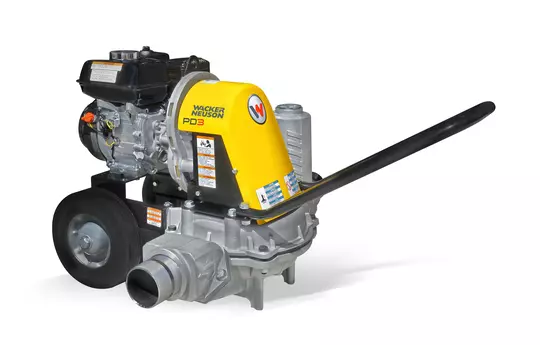
Replacement diaphragms are the flexible membranes that restore a dewatering pump to full strength by sealing properly, controlling flow, and preventing pressure loss, and the pump usually tells you when it needs one.
Inside the pump body, each stroke depends on that membrane to separate pressure zones, pull water in, and push it out. For contractors, equipment operators, maintenance crews, and anyone keeping diaphragm pumps running on dewatering, slurry, or construction jobs, a worn diaphragm means weaker performance, lost time, and avoidable downtime on site.
Choose the right size, equipment match, and material, and the seal closes again, and flow control comes back; choose the wrong one, and you can end up chasing the same failure a few weeks later. Below, you will find the warning signs to watch for, how to match replacement diaphragms to your pump, how material affects pump life, practical installation tips, and answers to common replacement diaphragm questions.
The 5 Warning Signs
A worn diaphragm rarely fails all at once.
It gives small clues first, and catching them early saves a day of downtime.
- A pressure drop you can feel at the discharge. The hose kicks less, and the stream looks weak even with a clean intake.
- Slower pumping or lost prime. The pump takes longer to empty the same pit, or it struggles to pull water at all.
- Cracks, bulges, or a stretched center hole. Pull the cover and look at the rubber, since a torn or stretched diaphragm should be replaced right away.
- Water where it should not be. Leakage around the clamp ring or out of the housing often means the sealing edge has torn or hardened.
- New knocking or an uneven stroke. A loose or split diaphragm can slap against the rod and plate and make the pump run rough.
If you notice two or more of these at once, plan the swap now rather than waiting for a full failure in the middle of a job.
Matching Replacement Diaphragms to Your Equipment
Shopping by equipment type is the fastest way to land on the right part.
Start with the pump itself, then narrow by size and material.
The replacement diaphragms catalog is organized the same way, by pump manufacturer, size, and rubber compound.
The manufacturer’s name and model are usually printed on a metal nameplate or decal on the pump frame.
Write both down before you order anything.
From there, look for the model-specific part instead of a “close enough” universal disc.
Diaphragm Pumps for Dewatering and Trash Water
Diaphragm pumps move water that would choke a centrifugal pump.
Contractors use them for trench dewatering, muddy excavations, sewer bypass, and slurry with sand and small debris.
Because the diaphragm does the pumping, these units handle air and solids without losing prime as easily.
Replacement parts exist for almost any diaphragm pump, but each brand builds its own housing, bolt pattern, and rod connection.
A diaphragm from one maker often will not seat on another maker’s pump, even when the diameters look close.
That is why compatibility by manufacturer matters more than any other detail.
How Diaphragm Valves Differ
Diaphragm valves use the same idea in a different job.
An elastomer membrane presses down to open or close a flow path, so the fluid never touches the valve’s moving parts.
Weir-type diaphragm valves suit clean fluids and high-purity systems, while straight-through valves work better for slurries and thick, viscous materials.
Valve diaphragms are designed for the valve body, so they are not interchangeable with pump diaphragms.
Sorting by Pump Size
Most dewatering units come in 2-inch, 3-inch, and 4-inch versions, and the size refers to the intake and discharge ports.
The diaphragm for each size is a different diameter and thickness.
A 3-inch pump diaphragm will not swap into a 2-inch pump, so confirm the port size before you compare part numbers.
How Diaphragm Material Changes Pump Life
The rubber compound decides how well a diaphragm stands up to what you pump.
Diaphragm materials fall into three main groups: elastomers such as rubber and nitrile, thermoplastics such as TPE, and fluoropolymers such as PTFE.
Across all three, the diaphragm must be compatible with the fluid being handled.
Oil, fuel, and harsh additives attack some compounds and leave others alone.
Temperature, abrasion, and daily run time also wear on the material.
Structure matters too.
Reinforced diaphragms have a fabric layer molded inside, which helps them handle higher pressure and heavy mechanical flexing on long shifts.
Non-reinforced diaphragms are a better fit for low-pressure or sanitary uses.
Rubber and Neoprene for Everyday Jobs
Standard rubber works well for clean water and routine dewatering, and it’s common in municipal and industrial work.
Neoprene diaphragms are a common pick for general construction and groundwater jobs.
The main benefits of both are a lower price and good flexibility for crews that pump mostly water with some dirt mixed in.
Neither one is the best choice when oil or fuel is present, since petroleum can swell and soften these compounds over time.
Cold weather also stiffens rubber, so check the manufacturer’s temperature rating if you pump in freezing conditions.
Buna-N and TPE for Tougher Service
Buna-N, also called nitrile, is the standard choice for oils, fuels, and other petroleum-based fluids.
It fits jobs with oily water or fuel-contaminated runoff.
TPE, often sold as Santoprene, combines the flexibility of rubber with the durability of plastic.
It holds up well against abrasion from sand and grit, which helps on long, continuous-duty dewatering jobs.
TPE costs more up front, but crews that run pumps around the clock often find the longer service life worth it.
Other Compounds You May See
Some industries need materials beyond standard dewatering rubber.
EPDM handles water, steam, and many chemicals, and PTFE offers excellent chemical resistance for aggressive fluids.
FKM covers high-heat and harsh-chemical service, and silicone shows up in food processing and medical equipment.
Those plants often require FDA or USP Class VI compliant materials, which is a separate spec from construction pump parts.
For a closer look at how a diaphragm pump moves fluid, this overview of diaphragm pumps explains the basic stroke cycle.
Check These Details Before You Order
A few minutes of checking prevents a wrong part and a second shipping wait.
Run through this list before you choose a part:
- Verify the equipment model. Use the exact model from the pump nameplate, not a guess based on how it looks.
- Find the original part number. The old diaphragm, the parts manual, or your last invoice often shows it.
- Measure the diameter. Compare the outside diameter and bolt-hole layout with the product specifications.
- Match the material to the fluid. Pick the compound that fits what you pump, not just the cheapest option offered.
| Material | Best Fit | Watch Out For |
|---|---|---|
| Rubber | Clean water, standard dewatering | Oil and fuel |
| Neoprene | Construction and groundwater | Heavy petroleum exposure |
| Buna-N (nitrile) | Oily water, fuel-contaminated fluids | Higher cost than basic rubber |
| TPE (Santoprene) | Continuous duty, abrasive slurry | Highest upfront price |
Material compatibility matters as much as fit.
A perfect-fitting diaphragm in the wrong rubber can fail almost as fast as the wrong size.
Swapping the Diaphragm Safely
A careful install protects the new part and the person doing the work.
Shut off the engine or isolate the power source first, then relieve any pressure left in the hoses and housing.
Clean the seating surfaces so grit does not cut the new diaphragm.
Tighten the clamp ring or cover bolts in the sequence the pump manual lists, working across the pattern instead of around it.
Uneven or overtightened bolts can pinch the edge and cause the same leak you just fixed.
Frequently Asked Questions
Which replacement diaphragm fits my equipment?
The replacement diaphragm that fits your equipment is the one made for your pump’s manufacturer and model.
Start with the nameplate on the pump frame and write down the brand, model, and port size.
Then match the original part number if you can find it.
Measure the old diaphragm’s diameter and compare it with the listed specifications.
If the nameplate is missing or the numbers do not line up, contact a parts supplier with photos and measurements so they can confirm the match.
How often should diaphragms be replaced?
How often diaphragms should be replaced depends on hours of use, what you pump, and the rubber compound.
A pump moving clean water a few hours a week can run a long time on one diaphragm.
A pump on round-the-clock duty in gritty slurry wears through parts much faster.
Inspect the diaphragm at regular service intervals and replace it when you see leakage, cracks, bulges, or a stretched center hole.
Follow the pump manufacturer’s maintenance schedule as your baseline.
Can replacement diaphragms prevent equipment downtime?
Yes, replacement diaphragms can prevent equipment downtime when you install the right part before the old one fails.
A correct fit keeps the seal tight, ensuring the pump holds pressure and keeps a steady flow.
Crews that run critical dewatering jobs often keep spare diaphragm pump parts on the truck or in the shop.
Stocking the sizes and materials you use most means a worn part becomes a short repair instead of a lost day.
Need Help Finding the Right Diaphragm?
Send your pump brand, model number, and port size, and you can get help confirming the correct part.
Hard-to-find diaphragms and bulk orders for rental fleets or contractors can be quoted on request.
You can also read customer reviews or this guide to diaphragm pump repair parts before you order.
Ken’s Distributing Company
Phone: (303) 699-7845
Email: kendisco@yahoo.com