
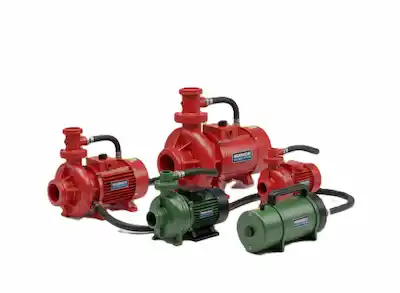
A Monarch water pump can keep irrigation, drainage, pressure boosting, and water transfer work running without delays.
The wrong pump can create weak pressure, high repair costs, short service life, and downtime when water needs to move fast.
This guide explains how to compare water pumps by type, power source, pressure, service needs, replacement parts, and common applications so you can choose the right Monarch water pump with more confidence.
Why the Right Water Pump Matters
Water pumps do more than move water from one place to another.
They support crops, livestock, job sites, fire protection, sewage systems, utility work, and many business operations.
If the pump is too small, it may run too hard and wear out early.
If the pump is too large, it may waste power, raise costs, and create pressure problems.
A good pump should match:
- Water type
- Flow rate
- Pressure needs
- Power access
- Pipe size
- Distance and lift
- Service conditions
- Maintenance schedule
- Replacement parts availability
For agricultural and industrial use, pump choice should start with the job, not the price tag.
Monarch Water Pump Types and Common Applications
A Monarch water pump can support many water-moving tasks because this category includes several pump types.
Common options include centrifugal pumps, submersible pumps, jet pumps, effluent pumps, sewage pumps, trash pumps, utility pumps, fire pumps, agricultural pumps, and irrigation pumps. Match the pump to the duty using flow and head rather than horsepower alone, since hydraulic power is the product of the two and an oversized motor cannot fix a badly matched curve.
Each type has a different purpose.
| Pump Type | Best Use | Common Setting |
|---|---|---|
| Centrifugal pump | Water transfer and pressure support | Farms, shops, storage tanks |
| Submersible pump | Deep or submerged water removal | Wells, basements, septic systems |
| Jet pump | Shallow or deep well water supply | Residential or light commercial sites |
| Sewage pump | Wastewater and solids handling | Septic and sewage systems |
| Trash pump | Dirty water with debris | Construction, drainage, flood cleanup |
| Utility pump | General water removal | Basements, tanks, small jobs |
| Fire pump | Emergency water pressure | Fire protection and rural sites |
| Agricultural pump | Field irrigation and water supply | Farms, ranches, nurseries |
The best option depends on the liquid, location, power source, and pressure demand.
Start With the Water Type
The first step is simple.
Know what the pump will move.
Clean water is easier to handle than water mixed with mud, trash, chemicals, or sewage.
Using the wrong pump for the wrong liquid can cause clogs, seal failure, overheating, and early repairs.
Clean Water
Clean water applications may include:
- Crop irrigation
- Turf irrigation
- Livestock watering
- Tank filling
- Pressure boosting
- General water transfer
Centrifugal pumps are often a smart fit for clean water transfer, irrigation, and improving pressure.
Dirty Water and Trash
Trash pumps are built for water that may contain mud, sand, leaves, or small debris.
These pumps are often used for trench drainage, stormwater removal, and rough job sites.
A standard clean-water pump should not be used for this work unless the system allows it.
Sewage and Effluent
Sewage pumps and effluent pumps handle wastewater.
Submersible effluent pumps work fully underwater and are often used in basement water systems or septic setups.
Sewage pumps are designed for tougher waste applications where solids may be present.
Chemical Transfer
Some agricultural jobs require chemical transfer.
In that case, sealing materials matter.
Chemical-resistant sealing, such as Viton bellows and carbon-ceramic faces, can help improve durability when harsh liquids are involved.
Understand Flow Rate Before You Buy
Flow rate tells you how much water the pump can move.
In the U.S., flow is usually measured in gallons per minute, or GPM.
A small utility job may need low GPM.
A large irrigation system may need much higher GPM.
The right flow rate depends on:
- Field size
- Tank size
- Pipe diameter
- Number of outlets
- Hose length
- Water demand
- Run time
- Elevation changes
Do not choose by horsepower alone.
A pump with more horsepower may still perform poorly if the system layout does not match the pump curve.
Check Pressure Requirements
Pressure is measured in pounds per square inch, or PSI.
Pressure matters for irrigation heads, spray systems, washdown lines, fire use, and booster systems.
Weak pressure can cause poor spray coverage, slow filling, and uneven water delivery.
Too much pressure can damage pipes, valves, hoses, and fittings.
Before choosing a pump, check:
- Required PSI at the outlet
- Pipe length
- Pipe size
- Elevation gain
- Number of elbows
- Number of valves
- Distance from water source
- End-use equipment
A water booster pump often lasts around 10 to 15 years under good conditions.
That lifespan can drop if the pump runs too hot, handles dirty water, cycles too often, or receives little maintenance.
Consider Power Source
Monarch pumps may be powered by electric motors, gasoline or diesel engines, or mechanical tractor shafts through PTO.
The right power source depends on where the pump will run.
Electric Pumps
Electric pumps are useful where reliable power is available.
They work well for:
- Shops
- Warehouses
- Indoor systems
- Booster systems
- Permanent irrigation stations
- Residential and commercial water supply
Electric pumps are often easier to start and manage than engine-driven pumps.
They also work well for fixed systems that need repeatable performance.
Gas or Diesel Pumps
Gas and diesel pumps fit remote areas where electricity is not available.
They are common for:
- Field irrigation
- Trench drainage
- Temporary water transfer
- Emergency water removal
- Construction water control
They provide mobility but require fuel, ventilation, and engine service.
PTO-Driven Pumps
PTO-driven pumps use mechanical power from a tractor shaft.
They are useful in agriculture because many farms already have tractors on site.
These pumps may support field irrigation, chemical transfer, and large water movement jobs where grid power is not practical.
Compare Heavy-Duty Pumping Systems
Heavy-duty pumping systems must handle long run times, higher pressure, and rougher conditions.
They need a stronger build quality than light-duty pumps.
Look for:
- Durable housing
- Strong impeller design
- Quality seals
- Thermal overload protection
- Easy service access
- Proper inlet and outlet sizing
- Parts support
- Corrosion protection
Thermal overload protection helps prevent burnout during extended run cycles.
This feature matters when a pump may run for long periods during irrigation, drainage, or transfer work.
Look at Design Features That Improve Durability
Pump design can affect long-term performance.
For example, a “Blind Hole” impeller design can help prevent shaft corrosion and thread stripping by keeping liquids away from the motor crankshaft.
This matters because corrosion can turn a small service issue into a major failure.
Good pump design helps protect the motor, seals, shaft, and internal parts.
Quality design also helps reduce repairs and replacements over time.
Factor in Replacement Parts and Service Access
Replacement parts matter because every pump needs service at some point.
Even a high-quality pump will need inspections, cleaning, seals, switches, or other parts during its service life.
Common replacement parts may include:
- Seals
- Impellers
- Gaskets
- Float switches
- Motors
- Bearings
- Hoses
- Fittings
- Strainers
- Control parts
Easy access to parts can reduce downtime.
This is important for farms, service crews, and businesses that cannot stop work for several days while waiting on repairs.
Estimate Repair and Replacement Costs
Water pump repair costs can vary widely.
A simple repair may cost around $75 to $125 if the issue is minor, such as adjusting or replacing a float switch.
More involved motor repairs may cost around $150 to $300.
General water pump repairs often range from $150 to $500, depending on labor, parts, and damage.
Well pump repairs may range from $200 to $1,000 because depth, pump type, and access can raise labor costs.
Replacement can cost more.
Sump pump replacement often ranges from $400 to $900.
Submersible pump replacement can exceed $1,000 because installation is more complex.
These costs are general ranges, not fixed prices.
Actual cost depends on location, pump type, system design, labor rates, and part availability.
Use Maintenance to Extend Pump Life
Regular maintenance can make a major difference in pump lifespan.
A pump that gets inspected, cleaned, and repaired on time will usually last longer than one that is ignored.
Basic maintenance includes:
- Inspect hoses and fittings
- Check for leaks
- Clean screens and strainers
- Listen for strange noise
- Watch for vibration
- Test pressure and flow
- Check seals
- Keep the pump clean
- Drain water before freezing weather
- Replace worn parts early
Pumps made with higher-quality materials and better design often require fewer repairs.
Still, maintenance matters more than most people think.
A strong pump can fail early if it runs dry, overheats, handles the wrong liquid, or operates with clogged strainers.
Know the Warning Signs of Pump Trouble
A pump usually shows warning signs before it fails.
Do not wait until the water stops moving.
Watch for:
- Weak pressure
- Low flow
- Strange vibration
- Grinding sounds
- Overheating
- Leaks
- Frequent cycling
- Air in the line
- Burnt smell
- Clogs
- Higher power use
- Slow tank filling
These signs can point to a clogged line, worn seal, damaged impeller, failing motor, bad switch, or poor system match.
Early service can prevent larger repair bills.
Match the Pump to the Application
The right pump should fit the exact use.
A farm irrigation system has different needs than a sewage ejection system.
A pressure booster has different needs than a trash pump.
For Irrigation
Choose based on:
- Field size
- Water source
- GPM needs
- PSI needs
- Pipe length
- Power access
- Sprinkler or drip system requirements
Agricultural pumps may need gas-powered or PTO-driven designs when electricity is unavailable.
For Livestock Watering
Choose based on:
- Number of animals
- Tank refill speed
- Distance from water source
- Freeze risk
- Reliability
- Daily run time
A steady water supply is more important than high speed in many livestock systems.
For Sewage or Effluent
Choose based on:
- Solids handling
- Basin size
- Pump depth
- Float switch setup
- Discharge distance
- Service access
Sewage pumps and effluent pumps must match the waste type and system design.
For Fire and Utility Use
Choose based on:
- Required pressure
- Fast startup
- Hose size
- Water source
- Emergency access
- Power source
Fire and utility pumps may need higher pressure and dependable operation under stress.
Simple Buying Checklist
Use this checklist before choosing a pump.
| Question | Why It Matters |
|---|---|
| What liquid will it move? | Clean water, sewage, trash, or chemicals require different pumps |
| How much flow is needed? | GPM controls how fast water moves |
| How much pressure is needed? | PSI affects irrigation, spray, and discharge performance |
| What power is available? | Electric, gas, diesel, and PTO systems fit different sites |
| How far must water travel? | Distance and elevation affect pump load |
| Will the pump run daily? | Long run times need a stronger design |
| Are replacement parts easy to access? | Parts availability reduces downtime |
| Is maintenance easy? | Hard-to-reach pumps often get ignored |
| What is the expected lifespan? | Good setup and care can support 10 to 15 years in many booster systems |
| What is the repair budget? | Costs can range from small service calls to full replacement |
Common Mistakes to Avoid
Many pump issues come from poor selection.
Avoid these mistakes:
- Buying by horsepower only
- Ignoring pressure needs
- Ignoring total lift
- Using a clean-water pump for trash water
- Using the wrong pump for sewage
- Running the pump dry
- Skipping maintenance
- Forgetting replacement parts
- Choosing the wrong power source
- Installing pipes that are too small
- Ignoring chemical compatibility
- Waiting too long to repair small issues
A pump should match the full system, not just the task name.
Final Thoughts
Choosing the right pump starts with clear information.
Know the water type, pressure, flow rate, lift, power source, service needs, and replacement parts before making a decision.
A Monarch water pump can support agricultural, industrial, sewage, trash, utility, fire, and irrigation applications when it is matched to the right job. For sump and effluent duty on the same site, the Monarch ESP33 submersible sump pump covers the lighter end of that range.
The best choice is the pump that moves water reliably, protects the system, limits downtime, and gives customers confidence in daily operation.
Frequently Asked Questions
What types of pumps are commonly used by farmers for irrigation?
Farmers mostly use centrifugal and self-priming pumps drawing from surface water, submersible pumps in wells, and engine driven units where there is no power at the field. Which one fits depends on where the water sits and how far it has to be lifted, not on the size of the operation.
What is the best way to pump water from a river for irrigation?
Pumping from a river needs a self-priming surface pump with a foot valve and strainer, set close enough to the water that suction lift stays within reach. Guard against debris and silt, since river water carries both, and mount the pump above any level the river is likely to reach.
How many gallons of water does it take to irrigate 1 acre?
The figure varies enormously with crop, soil, season and climate, so any single number quoted for an acre is misleading. What matters for choosing a pump is the flow rate your system needs at peak demand and the head it has to work against. Size from the irrigation design itself rather than from an acreage rule of thumb.
What is the best portable water pump for agriculture?
The best portable agricultural pump is usually an engine driven self-priming unit, because it works where there is no power and can be moved between fields. Match the flow to your largest single zone and the head to the actual lift and pipe run, then check what it delivers on the curve.