
Water issues can quickly disrupt any setup.
Low pressure, uneven irrigation, or delayed delivery can create a serious problem for a business, farm, or utility system.
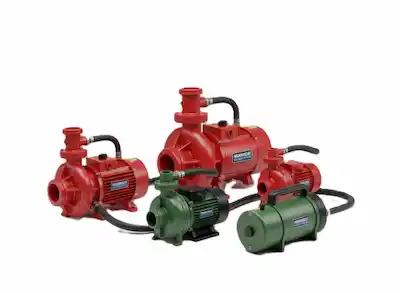
Monarch water pumps are often used to solve these challenges because they support steady water movement and dependable performance.
This guide explains how pumps work, how to select the right one, and how modern systems protect customers during online browsing.
What Are Monarch Water Pumps?
Definition and Core Functionality
Water pumps move water from one place to another.
They are used in irrigation, construction, and residential systems where natural flow is not enough.
This process ensures the page displayed is safe and reliable for customers, especially when browsing trusted resources like Monarch water pumps.
Key Features of Monarch Water Pumps
These pumps are engineered with a focus on design for cycle life and reliability, ensuring consistent performance across multiple applications.
They are designed to handle different water conditions while maintaining strong output.
- Designed for continuous pump operation.
- Many models feature self-priming designs that eliminate the need for foot valves.
- Many models are designed with fewer moving parts, making them easier and cheaper to repair.
- Submersible models often feature non-clog impellers for efficient handling of solid-laden water.
- Built-in thermal overload protection prevents overheating during operation.
- Monarch has integrated energy-efficient technology since becoming part of the Franklin Electric family.
- Manufacturer warranty included for added assurance of quality and reliability.
- Suitable for clean and slightly contaminated water.
- Available in multiple capacities and power levels.
Additional highlights include:
- Durable construction for long-term use.
- Efficient motor systems that reduce energy consumption.
- Flexible use in agricultural, industrial, and utility systems.
Understanding Monarch Industries
Monarch Industries stands out as a leading brand in the world of water pumps, sewage pumps, and hydraulic systems.
Established in 1935, Monarch has built a reputation for delivering quality products that meet the demands of a wide range of applications, from residential water supply to large-scale agricultural irrigation.
Monarch offers a comprehensive selection of pumps, including centrifugal, submersible, and jet models, each designed to provide safe and efficient operation in challenging environments. If the terminology is new, the general classification of pump types is a useful orientation before comparing individual models.
The company’s commitment to quality and reliability is evident in every product they manufacture.
Monarch water pumps and sewage pumps are built to last, using durable materials and advanced engineering to ensure minimal maintenance and long-lasting performance. A common starting point for a first Monarch purchase is the ESP50AV submersible effluent pump, which suits septic and light wastewater duty.
Whether you need a pump for irrigation, sewage management, or general water transfer, Monarch’s solutions are trusted by customers across agricultural, commercial, and residential sectors.
Monarch Industries continues to innovate, offering pumps that are not only robust but also energy-efficient and easy to use.
Their dedication to customer satisfaction and safety has made Monarch a go-to brand for those seeking dependable water pumping solutions for any application.
Types of Water Pumps Explained
Different pump types serve different needs.
Understanding each type helps you select the right system.
Centrifugal Pumps
These pumps use a rotating motion to move water.
They are best for high flow and low-pressure applications.
Common use cases:
- Irrigation systems.
- Water transfer.
Submersible Pumps
Submersible pumps operate underwater.
They push water upward, making them ideal for deep wells.
Typical applications:
- Borewells.
- Agricultural systems.
Jet Pumps
Jet pumps are used for shallow wells.
They are easy to install and maintain.
Booster Pumps
Booster pumps increase water pressure in pipelines.
They are useful in systems with low pressure.
Comparison Table
| Pump Type | Use Case | Depth | Pressure |
|---|---|---|---|
| Centrifugal | Irrigation | Low | Low |
| Submersible | Deep wells | High | Medium |
| Jet | Shallow wells | Medium | Medium |
| Booster | Pressure boost | N/A | High |
Applications in Agricultural Water Systems
Water pumps play a key role in agriculture.
They help ensure crops and systems receive steady water flow.
Irrigation Systems
Pumps support both drip and sprinkler irrigation.
They ensure consistent water distribution across fields.
Livestock Water Supply
Pumps provide a steady and clean water source for animals.
This supports daily farm operations.
Groundwater Extraction
Submersible systems extract water from underground sources.
This is essential in areas without surface water.
Key benefits:
- Improves crop output.
- Reduces manual labor.
- Supports efficient water use.
Key Factors to Consider When Choosing a Pump
Selecting the right pump requires careful evaluation.
Flow Rate (GPM)
Flow rate defines how much water moves through the system.
Higher flow is needed for larger operations.
Total Head
Total head measures how far the pump can move water.
It includes vertical lift and pipe distance.
Power Source
Common options include:
- Electric.
- Diesel.
- Solar.
Each option has different costs and efficiency levels.
Water Source Type
Water quality matters.
- Clean water → standard pump.
- Contaminated water → specialized systems like sewage pumps.
Material and Durability
Durable materials help reduce wear and damage.
They also extend the pump’s lifespan.
Important points:
- Match pump size to application.
- Avoid oversizing or undersizing.
- Consider long-term energy costs.
Cost and Budgeting Considerations
When selecting a water pump, understanding the cost and budgeting for your investment is crucial.
Monarch Industries offers a range of water pumps at competitive prices, with options to suit different needs and budgets.
Depending on the type, size, and features, Monarch water pumps typically range from $200 to $1,500 or more.
While the initial price is important, it’s equally vital to consider the long-term value a reliable pump provides.
Monarch offers high-quality products backed by strong warranties, giving customers confidence in their purchase.
Their pumps are designed for energy efficiency, which can help lower operating costs over time.
By choosing Monarch, customers benefit from a product that delivers reliable service and reduces the likelihood of unexpected repairs or replacements.
To get the best value, it’s wise to compare different pump options, assess your specific requirements, and factor in potential maintenance costs.
Monarch’s fast shipping and responsive customer service ensure that you receive your pump quickly and have support when you need it.
The company is ready to assist with product selection, providing detailed information and guidance to help you make an informed decision.
Common Mistakes to Avoid When Buying a Water Pump
Avoid these common errors:
- Ignoring capacity requirements.
- Choosing the wrong pump type.
- Skipping maintenance planning.
- Not considering future expansion.
Examples:
- Using a shallow pump for a deep well.
- Underestimating irrigation demand.
If your monarch water pump is set up incorrectly or you choose the wrong type, you may face costly repairs or even need to consider replacing the entire unit.
Repairing a water pump can typically cost between $150 to $500, depending on the issue and which parts need fixing or replacing.
Replacing a sump pump usually could set you back $400 to $900, while submersible pumps can exceed $1,000 due to more complex installation.
Well pump repair costs can range from $200 to $1,000, with labor charges typically around $50 per hour.
Making the right choices from the start helps you avoid mistakes that could set you back significantly in repair or replacement costs.
Installation and Maintenance Tips
Proper installation improves performance.
For any questions or assistance with the installation or maintenance of Monarch water pumps, contact our team today.
Installation Best Practices
- Align the pump correctly.
- Secure piping connections.
- Ensure stable placement.
Maintenance Checklist
- Clean filters regularly.
- Inspect seals and motor.
Benefits include:
- Prevent clogging.
- Extend pump lifespan.
- Maintain steady performance.
How to Match the Right Pump to Your Needs
Different systems require different pump setups.
- Residential → Low-capacity pump.
- Agricultural → High-flow pump.
- Industrial → Heavy-duty systems.
Balance these factors:
- Budget vs performance.
- Short-term vs long-term cost.
Example scenarios:
- Small irrigation system.
- Large agricultural setup.
- Construction water transfer.
FAQs About Monarch Water Pumps
What is the best type of water pump for agriculture?
The best type of water pump for agriculture depends on where the water sits. Submersible pumps suit deep sources because they push rather than pull and ignore the suction limit. Centrifugal and self-priming pumps suit surface irrigation from a pond, ditch or tank. Flow rate and total head, not acreage, decide the model within either group.
How do I calculate the right pump size?
Calculate pump size by adding the vertical lift to the pressure the system needs, then adding friction losses from the pipe run and fittings to get total head. Work out the flow rate the application requires, then read what the pump delivers at that head on its curve rather than trusting the headline figure on the carton.
Can water pumps handle dirty water?
Some water pumps handle dirty water and most do not. Clean-water pumps run tight internal clearances that debris jams immediately. Trash pumps and diaphragm pumps are built with wide clearances specifically to pass solids, at the cost of efficiency. Match the pump to what the water actually carries, because sending grit through the wrong unit destroys the impeller quickly.
How long do water pumps last?
Most water pumps last somewhere between 8 and 15 years with proper maintenance, though the range is wide because run time and water quality matter far more than age. Sand erodes impellers, short cycling wears motors and seals, and dry running can end a pump in a single afternoon regardless of how new it is.
What maintenance is required?
Routine pump maintenance means keeping strainers and intakes clear, checking the pressure tank’s air charge, watching for leaks near the motor end, and listening for noise or vibration that was not there before. Replace the mechanical seal any time the pump is opened for another reason, since the labor is already spent and a disturbed seal rarely reseats.
Conclusion
Choosing the right pump requires understanding your needs.
Flow rate, pressure, and application type all affect performance.
Monarch water pumps provide a reliable solution for many systems, including agricultural and utility applications.
Anti-bot measures are essential to detect and prevent automated bot traffic, ensuring only legitimate users can access the site.
Before making a decision, review specifications, compare options, and check all details carefully.
A well-informed choice ensures long-term performance, safe operation, and confidence in your system today.