
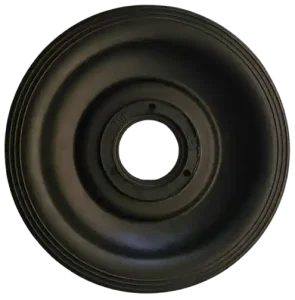
Neoprene Replacement Diaphragms for 2″, 3″ & 4″ Diaphragm Pumps
Neoprene Replacement Diaphragms for 2″, 3″ & 4″ Diaphragm Pumps provide a durable, cost-effective solution for construction dewatering, groundwater control, concrete cutting slurry, general water transfer, and other demanding pump applications. Ken’s Distributing supplies neoprene pump diaphragms in multiple sizes and configurations for commonly used diaphragm pump models throughout the U.S. and Canada.
Neoprene offers excellent flex life, weather resistance, and physical durability for pumps handling clean water, groundwater, mud, and construction slurry. Shop by pump size or use your pump brand, model number, and diaphragm dimensions to identify the correct neoprene replacement diaphragm for your application.
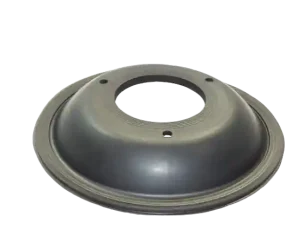
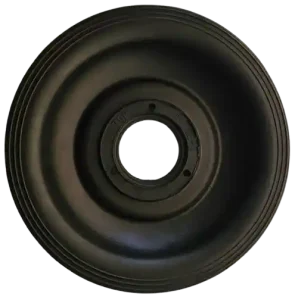
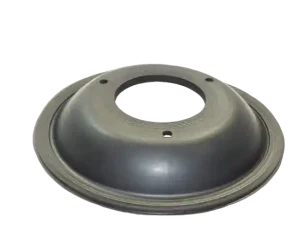
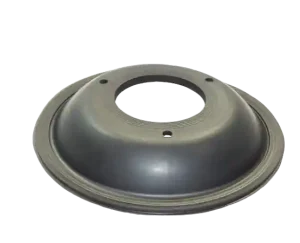
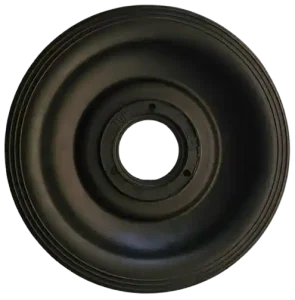
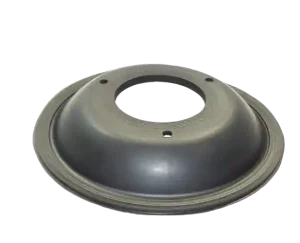
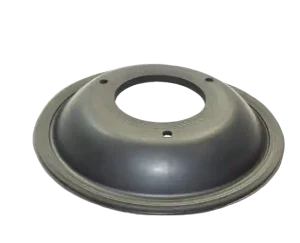
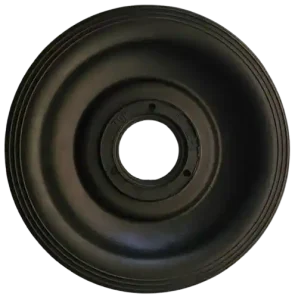
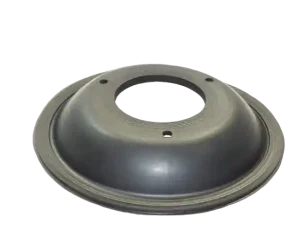
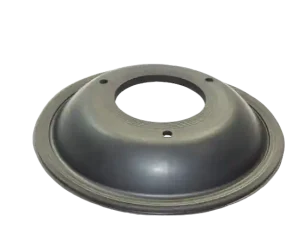
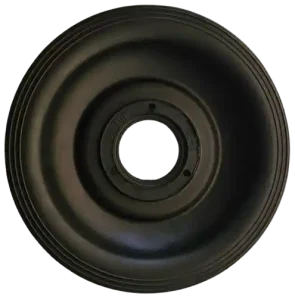
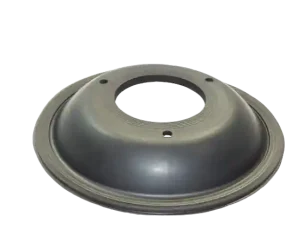
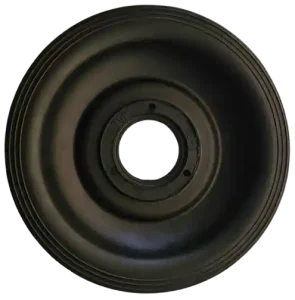
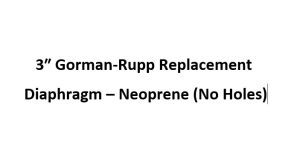
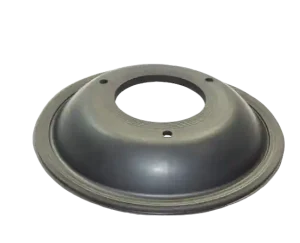
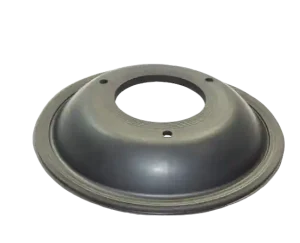
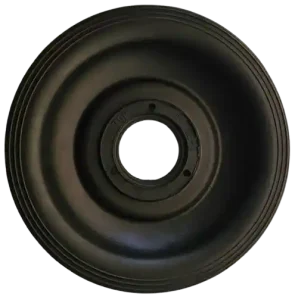
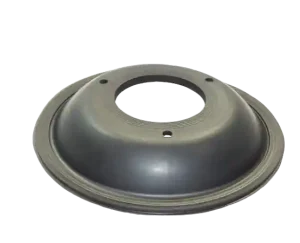
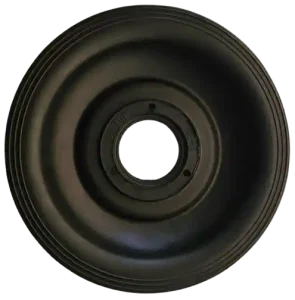
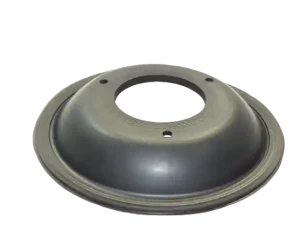
Why Choose Neoprene Replacement Diaphragms?
Neoprene, also known as chloroprene rubber, is a synthetic elastomer widely used in diaphragm pump applications because it combines flexibility, durability, weather resistance, and reliable performance under repeated pump cycling.
For construction, dewatering, groundwater control, and general water-transfer applications, neoprene provides a practical balance between service life and cost.
Flex fatigue resistance: A diaphragm repeatedly expands and contracts while the pump operates. Neoprene handles continuous flexing well, making it a dependable material for pumps that operate for extended periods.
Weather and ozone resistance: Pumps used on construction sites are frequently exposed to outdoor storage, changing temperatures, sunlight, moisture, and ozone. Neoprene resists weather-related surface degradation better than many general-purpose rubber materials.
Physical durability: Neoprene maintains its shape and flexibility under vibration and repetitive mechanical movement, making it well suited to demanding construction and dewatering environments.
Moderate chemical resistance: Neoprene performs well with water, mud, groundwater, slurry, and many mild water-based solutions. Applications involving petroleum products, oily wastewater, fuels, or aggressive chemicals may require a different diaphragm material such as Buna/nitrile or TPE/Santoprene.
Wide range of field applications: Neoprene diaphragms are commonly selected for portable diaphragm pumps used in construction, municipal work, groundwater removal, concrete cutting, utility maintenance, and general water transfer.
Neoprene vs. Buna and Rubber Diaphragms
Selecting the correct diaphragm material is important for pump performance and service life. Fluid type, operating environment, temperature, abrasion, and chemical exposure should all be considered before choosing a replacement diaphragm.
| Property | Neoprene Diaphragm | Buna/Nitrile Diaphragm | Rubber Diaphragm |
|---|---|---|---|
| Abrasion Resistance | Very Good | Good | Moderate |
| Weather Resistance | Excellent | Fair | Fair |
| Oil & Fuel Resistance | Limited to Moderate | Excellent | Poor |
| Flex Life | Very Good | Good | Good |
| Common Applications | Construction, Dewatering, Groundwater | Oily Water, Fuel-Contaminated Fluids | Clean Water, General Dewatering |
Neoprene is a strong choice when a diaphragm pump is handling water, mud, construction slurry, or groundwater without significant petroleum or aggressive chemical content. Buna/nitrile is generally preferred where oil and fuel resistance are more important, while natural rubber remains a cost-effective option for many clean-water applications.
For an overview of all diaphragm materials available from Ken’s Distributing, including TPE/Santoprene, visit the main Replacement Diaphragms page.
Common Applications for Neoprene Pump Diaphragms
Neoprene replacement diaphragms are used in a wide range of construction, industrial, municipal, and dewatering applications. Their combination of flex life, outdoor durability, and resistance to physical wear makes them particularly useful for pumps that operate for long periods in field conditions.
Construction dewatering: Neoprene diaphragms are commonly used in pumps removing groundwater, surface water, and rain accumulation from excavations, trenches, foundations, and active construction sites.
Concrete cutting and surface grinding: Wet cutting and concrete grinding can produce water containing suspended fine particles and slurry. Neoprene provides the flexibility and physical durability needed for many of these pumping applications.
Groundwater control: Diaphragm pumps used to keep excavations and work areas dry may operate for extended periods. Neoprene’s resistance to repeated flexing makes it suitable for continuous or high-cycle groundwater removal.
Municipal and utility work: Neoprene diaphragms can be used for temporary water removal, utility maintenance, stormwater management, and similar applications where petroleum or aggressive chemical exposure is not a primary concern.
General industrial water transfer: Neoprene can also be used for moving process water, wash water, and other non-aggressive water-based fluids in industrial and facility environments.
If your application involves oily wastewater, fuel-contaminated groundwater, petroleum products, or aggressive chemicals, contact Ken’s Distributing before ordering. Buna/nitrile or TPE/Santoprene may be more appropriate for those operating conditions.
Shop Neoprene Replacement Diaphragms by Pump Size
Ken’s Distributing supplies replacement diaphragms for commonly used 2 inch, 3 inch, and 4 inch diaphragm pumps. If you already know your pump size, use the links below to narrow your search.
Pump size alone should not be used to select a diaphragm. Always confirm your pump brand, model number, diaphragm dimensions, and material before ordering.
How to Confirm Your Neoprene Diaphragm Size
The 2 inch, 3 inch, and 4 inch descriptions generally refer to the nominal pump inlet or discharge size. They do not represent the actual outside diameter of the diaphragm. Diaphragm dimensions can vary between pump models even when the pumps have the same nominal port size.
Before ordering a replacement neoprene diaphragm, check the pump model and compare the dimensions of your existing diaphragm.
To measure an existing diaphragm, place it flat on a clean surface and record the following measurements:
Dimension A: Measure the outside diameter straight across the widest point of the diaphragm.
Dimension B: Measure the diaphragm thickness at the required reference point.
Dimension C: Measure the center plate, bead, or center section diameter when applicable to the diaphragm design.
When contacting Ken’s Distributing, provide the pump brand, model number, diaphragm material, and available measurements. If the pump identification plate is missing or unreadable, photographs of the pump and existing diaphragm can also help the parts team determine the correct replacement.
For additional sizing information, visit the measurement section on the main Replacement Diaphragms page.
Signs Your Neoprene Diaphragm May Need Replacement
Diaphragm wear can gradually reduce pump performance before a complete failure occurs. Regular inspection can help identify deterioration early and reduce unplanned downtime.
Inspect your neoprene diaphragm if you notice any of the following:
- Fluid appearing where it should not be within the pump assembly
- A noticeable reduction in flow rate without a change in operating conditions
- Irregular, slow, or labored pump cycling
- Visible cracking, cuts, stiffening, swelling, or deformation
- Wear around the diaphragm edge or mounting area
- Reduced pumping performance after extended service
Inspection frequency depends on pump usage, fluid type, operating conditions, abrasion, chemical exposure, and diaphragm material. Pumps operating continuously or handling abrasive fluids should generally be inspected more frequently than pumps used occasionally for clean-water transfer.
Always follow the pump manufacturer’s inspection and service recommendations when replacing diaphragms and related wear components.
Other Replacement Diaphragm Materials
Neoprene is one of several diaphragm materials available from Ken’s Distributing. The correct material depends on the fluid being pumped and the operating environment.
Rubber Replacement Diaphragms: A cost-effective choice for clean water, groundwater, and standard dewatering applications where oil and chemical exposure are minimal.
Buna/Nitrile Replacement Diaphragms: Designed for applications involving oily water, petroleum-based fluids, fuel-contaminated groundwater, and other environments where greater oil resistance is required.
TPE/Santoprene Replacement Diaphragms: A durable option for demanding applications where flex life, chemical resistance, and long service intervals are important.
Frequently Asked Questions About Neoprene Replacement Diaphragms
Is neoprene better than rubber for diaphragm pumps?
It depends on the application. Neoprene generally provides better resistance to weathering, ozone, and outdoor exposure, making it a strong choice for construction and field applications. Natural rubber remains a practical and economical choice for many clean-water and standard dewatering applications.
Can I replace a rubber diaphragm with a neoprene diaphragm?
The replacement material must be appropriate for the pump and the fluid being handled. Do not select a diaphragm based on material alone. Confirm the pump model, diaphragm dimensions, and operating requirements before ordering. Ken’s Distributing can help identify the correct material and diaphragm for your pump.
Are neoprene diaphragms suitable for concrete slurry?
Neoprene is commonly used for concrete cutting water, grinding wastewater, and construction slurry where the fluid is primarily water with suspended particles. Applications involving significant oil, fuel, solvents, or aggressive chemicals may require a different diaphragm material.
How do I know when a neoprene diaphragm is worn out?
Common signs include reduced pump performance, irregular cycling, visible cracking, stiffening, edge damage, deformation, or fluid appearing in areas of the pump where it should not be present. Inspect the diaphragm and related wear components whenever pump performance changes unexpectedly.
Do you carry neoprene diaphragms for 2 inch and 3 inch diaphragm pumps?
Yes. Ken’s Distributing supplies replacement diaphragms for commonly used 2 inch and 3 inch diaphragm pumps, along with additional pump sizes and configurations. Use your pump model and diaphragm dimensions to confirm the correct replacement before ordering.
How do I identify the correct neoprene diaphragm for my pump?
Start with the pump brand and model number. If available, also provide the existing diaphragm part number and physical dimensions. Ken’s Distributing can use this information to help identify the appropriate replacement diaphragm for your specific pump.
Can I order neoprene replacement diaphragms in bulk?
Yes. Ken’s Distributing offers bulk pricing and blanket order programs for contractors, rental companies, municipalities, and industrial operations that maintain multiple diaphragm pumps. Contact Ken’s Distributing with your diaphragm size, pump information, and estimated annual quantity for pricing and availability.