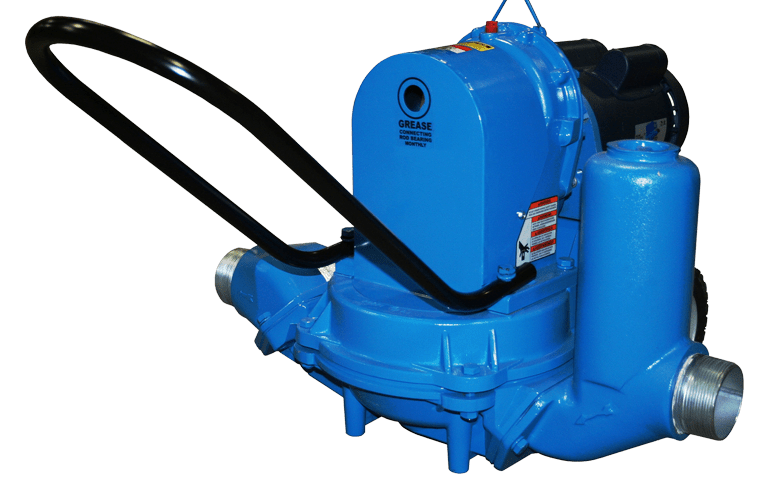
Diaphragm pumps have a reputation for outlasting the jobs they are put on, and on a construction site or a farm that reputation is mostly deserved. They are the pump you reach for when the water has mud in it.
The reputation comes with a catch worth understanding, though. The pump body will run for decades, but one component inside it is a consumable, and how long it lasts is decided almost entirely by which material you specified.
How Long Does a Diaphragm Pump Last?
The pump itself commonly lasts 10 to 20 years in dewatering service. The diaphragm inside it is a wear part rated in flex cycles, typically two to five million, which usually means replacing it every one or two seasons on a working site pump.
Key Takeaways
- Diaphragm life is counted in flex cycles, not running hours.
- The elastomer you specify matters more than the brand on the casing.
- Diaphragm pumps can run dry without damage, unlike centrifugal pumps.
- Falling output usually means a tired diaphragm or worn check valves, not a dying pump.
- Cold weather stiffens elastomers, and a stiff diaphragm tears far sooner.
Why Cycles Matter More Than Hours
Every stroke bends the diaphragm through its full travel. That flexing, repeated a few million times, is what eventually fatigues the material and splits it, and it happens whether the pump is moving clean water or slurry.
The practical consequence catches people out. A pump short cycling on a small sump accumulates cycles far faster than the same pump running steadily on a big dewatering job, so the lightly used pump can need a diaphragm first. If you are getting short diaphragm life, look at how often the pump starts and stops before blaming the part.
Which Diaphragm Material Should You Use?
| Material | Best for | Avoid with | Relative flex life |
|---|---|---|---|
| Santoprene / TPE | General water, mud, site dewatering | Strong solvents | Longest |
| Buna-N (nitrile) | Oils, fuels, petroleum | Ketones, strong acids | Long |
| Neoprene | General purpose, mild chemicals | Strong oxidizers | Good |
| EPDM | Acids, ketones, hot water | Petroleum, oils | Good |
| Viton (FKM) | Aggressive chemicals, high temperature | Ketones, hot water | Moderate |
| PTFE | Almost anything chemically | Cold service, high cycling | Shortest |
The bottom row is the trade people most often get wrong. PTFE resists nearly every chemical, which makes it tempting, but it is stiff rather than elastic and fatigues sooner than a rubber. Specify it because the liquid demands it, not because it sounds like the premium option.
Getting this right is the single biggest lever on service life. A Santoprene diaphragm in clean site water may outlast a PTFE one several times over, in the same pump, on the same job.
What Actually Wears Out
The diaphragm
Flex fatigue, showing first as gradually reduced output rather than a sudden stop. A diaphragm rarely fails cleanly. It gets tired, then it splits.
Check valves and seats
Balls or flappers wear, and worn valves let liquid slip backward on each stroke. The symptom looks identical to a tired diaphragm, which is why both get inspected together. Genuine replacement diaphragms and valve kits are cheap next to the downtime.
Cold weather
Elastomers stiffen as temperature drops, and a stiff diaphragm concentrates stress rather than distributing it. Winter dewatering is hard on diaphragms, and letting a pump warm up before loading it is worth the few minutes.
Can a Diaphragm Pump Run Dry?
Yes, and this is where diaphragm pumps genuinely beat the alternatives. There is no mechanical seal relying on the pumped liquid to cool and lubricate it, so running dry costs you nothing but flow.
That is the opposite of a centrifugal pump, where the same conditions destroy the seal faces within minutes. If you are choosing between the two families for a site where suction is unreliable, this difference matters more than any efficiency figure, and the wider comparison is set out in our guide to submersible and centrifugal designs.
Diaphragm pumps are also self-priming and tolerate being deadheaded against a closed discharge, both for the same underlying reason: nothing inside depends on continuous flow to survive.
Handling Mud and Solids
The pumping chamber has no close-running impeller clearances, so there is nothing for grit to grind away. Check valves are sized to pass solids rather than exclude them, which is why these pumps clear a trench full of mud that would choke a centrifugal in minutes.
Construction and agricultural duty is where the CH&E Generac Magnum series sits, with aluminum or cast iron builds depending on how rough the service is. When output drops on one of these, one part usually takes the blame before anyone checks the valves.
Making a Diaphragm Pump Last
- Re-torque the cover bolts after the first few hours of a new diaphragm, then periodically. Uneven clamping tears a new one early.
- Flush after abrasive or chemical service so nothing sits against the elastomer between jobs.
- Inspect valves whenever you change a diaphragm. They wear at a similar rate and the labor is already spent.
- Keep the suction short and airtight. A starved pump cycles harder for the same output.
- Store it warm and dry over winter, with the chamber flushed and drained.
None of this is exotic, and the broader routine that applies to any pumped system is covered in our notes on extending pump service life. The mechanical background on how the membrane does the work is set out in this diaphragm pump overview.
Frequently Asked Questions
Can a diaphragm pump run dry?
Yes, a diaphragm pump can run dry indefinitely without damaging itself, and it is one of the defining advantages of the design. There is no mechanical seal depending on the pumped liquid for cooling and lubrication, so an empty suction line costs you flow and nothing else. A centrifugal pump in the same situation destroys its seal faces within minutes.
How long does a diaphragm last in a diaphragm pump?
A diaphragm typically lasts between two and five million flex cycles, which on a construction dewatering pump usually works out at one or two seasons. Life is governed by cycles rather than running hours, so a pump short cycling on a small job wears its diaphragm faster than one running steadily all day.
What is the most common cause of diaphragm pump failure?
Flex fatigue in the diaphragm itself is the most common failure, usually showing as gradually falling output before it splits. The second most common is worn check valves or seats, which let pumped liquid slip backward on each stroke. Both are wear parts and both are cheap next to the pump.
Are diaphragm pumps good for pumping mud and solids?
Diaphragm pumps handle mud, slurry and solid-laden water better than almost anything else, which is why they dominate construction dewatering. The pumping chamber has no close-running impeller clearances for grit to destroy, and the check valves are sized to pass solids rather than exclude them. A centrifugal pump on the same trench would lose its impeller clearances within a season.
Diaphragm Pumps and Replacement Parts
Ken’s Distributing stocks diaphragm trash pumps along with the diaphragms, valve kits and seats that keep them working. Browse the diaphragm trash pump range, or tell us the pump model and the liquid and we will confirm the correct elastomer before you order.